

Melasma and Pigmentation
Even, luminous skin starts with knowing exactly which kind of pigmentation you have. At our Berkhamsted clinic the Cosmelan protocol and the Harmony XL Pro laser sit side by side, so the plan is matched to your skin rather than the other way round.
At a glance
- Types Melasma, sun damage, post-inflammatory, freckles
- Clinic Regents Park Aesthetics Berkhamsted
- Course Varies, typically 3 to 6 months
- Essential Daily SPF 50, every day of the year
- First step Assessment and skin typing





What it is and why it happens
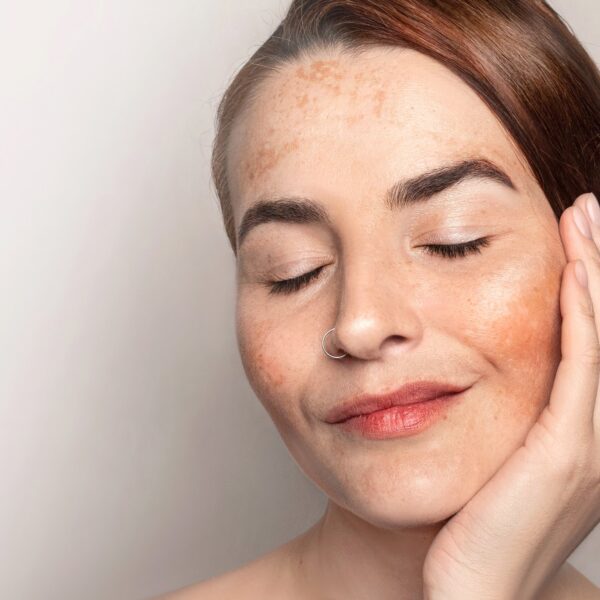
Four different conditions look broadly the same in the mirror and respond to completely different things, which is why pigmentation rewards a proper assessment more than almost any other skin concern. Melasma is the one to know. Symmetrical brown patches across the cheeks, forehead and upper lip, driven by hormones as much as by sun, sensitive to heat, and happiest when it is managed steadily rather than attacked. Cosmelan, disciplined home care and daily SPF are what hold it beautifully.
Sun damage behaves quite differently: discrete brown spots on the face, hands and chest, sitting exactly where the sun has landed, and often clearing substantially within one or two laser sessions. Post-inflammatory pigmentation is the mark left behind after a spot or an injury, and treatment simply speeds up a fade that would happen anyway. At our Berkhamsted clinic, Regents Park Aesthetics identifies which you have before recommending a thing, with the Cosmelan protocol and the Harmony XL Pro laser both under one roof.
Treatments that address it
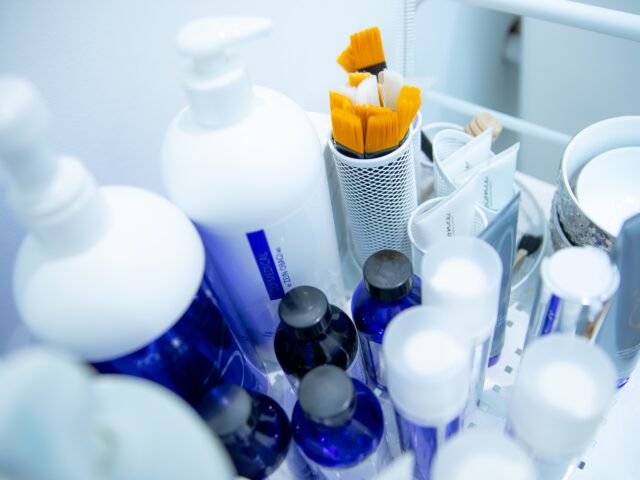
| Cosmelan Depigmentation A well-established option for melasma. A professional mask applied at our Berkhamsted clinic, followed by a home maintenance phase over several months that quietens pigment production rather than blasting pigment away. £950 including the in-clinic mask. | Harmony XL Pro ClearLift For sun damage and defined age spots. The laser targets pigment directly and breaks it down for the body to clear, fast and effective on discrete spots with no downtime. Used at low settings and with care where melasma is present. From £160. | Chemical Peels Medical-strength peels lift post-inflammatory pigment and brighten overall tone. The mainstay for marks left by acne, and a comfortable choice across skin tones when the formulation is matched to you. From £120. | SkinPen Microneedling Improves pigment indirectly by accelerating skin turnover, and suits most skin tones after a skin check. Frequently paired with peels for post-inflammatory marks, and timed carefully around melasma. From £250. | |
|---|---|---|---|---|
 |
 |
 |
 |
|
| £950 | £160 | £120 | £250 | |
| Explore Cosmelan | Explore Harmony XL Pro | Explore Chemical Peels | Explore SkinPen Microneedling |
- £950
- £160
- £120
- £250
Compared side by side
How we assess and treat
Your consultation begins with pattern and symmetry, when the pigment appeared and what was happening in your life at the time. We take a hormonal history, record your Fitzpatrick skin type and look at depth, because epidermal pigment near the surface treats quickly while dermal pigment deeper down asks for patience and a longer plan. Mixed patterns are common, and knowing which you have is what makes the result predictable.
Where melasma is in the picture we start with Cosmelan and home care, then add the Harmony XL Pro carefully at low settings once the skin is calm, since heat is a trigger and a gentle sequence holds far better than a dramatic one. Sun damage and age spots go straight to the laser, and post-inflammatory marks respond to medical-strength peels, often paired with SkinPen microneedling. Your clinician covers suitability, timing and aftercare at your consultation, and the team is a phone call away afterwards.

Can you treat it at home?
Sun protection is not one of the things that helps pigmentation. It is the thing. A broad-spectrum SPF 50 every single day, reapplied, in winter and through cloud, does more than any treatment on this page and makes every one of them last. For melasma, look for a tinted mineral sunscreen containing iron oxide: visible light drives melasma as well as ultraviolet, standard chemical filters let it through, and the tint is what blocks it. That one piece of product advice changes more skin than any serum.
Actives that earn their place are tyrosinase inhibitors, vitamin C for antioxidant protection and a little brightening, retinoids to speed turnover and niacinamide to interrupt pigment transfer, with prescription-strength options available through the clinic. Home care keeps pigmentation in check and maintains a result; established melasma usually needs the clinic to clear it first. Scrubs, harsh exfoliants and lemon juice all inflame the skin, and inflammation makes more pigment, so if it stings, it is working against you.

Related concerns
Meet our team of experts
Pigmentation at our Berkhamsted clinic is assessed and treated by Anna Stenekova and the skin therapists, with Kay Greveson or Dr Grace Adamson on hand for anything prescription or injectable.
Frequently Asked Questions
Symmetrical brown or grey-brown patches, usually across the cheeks, forehead and upper lip, driven by hormones and deepened by sun and heat. It is a condition to manage rather than cure, and managed well it stays quiet.
A combination of hormonal influence and light exposure. Hormonal shifts, the combined contraceptive pill and hormone replacement are common triggers, which is why it is far more common in women, and heat alone can provoke it independently of ultraviolet.
For many people, yes. Cosmelan with a home maintenance phase can clear much of it, and disciplined sun protection then holds the result. A little return when protection lapses in summer is normal, and a maintenance plan keeps it in check.
Cosmelan, combined with a home maintenance phase and daily SPF 50. It quietens pigment production rather than destroying pigment, which is why it suits melasma so well, and it runs at our Berkhamsted clinic.
Because heat is itself a melasma trigger. Cosmelan calms the pigment first, and the Harmony XL Pro then comes in carefully at low settings where it adds something, which is the sequence that holds.
Melasma is symmetrical patches driven partly by hormones and managed steadily over months. Sun damage is discrete spots on exposed areas, driven purely by ultraviolet, and often clears quickly with the laser. They look alike in the mirror and behave completely differently, which is why assessment comes first.
At the clinic, Cosmelan is £950 including the in-clinic mask, Harmony XL Pro ClearLift starts at £160 for a half face and chemical peels start at £120. We quote a plan rather than a session, because pigmentation needs a course and a maintenance phase.
Sun damage often improves substantially within one or two laser sessions. Melasma takes three to six months of combined treatment and home care. Post-inflammatory marks fade over three to twelve months, faster with treatment.
Post-inflammatory pigmentation does, over months to a couple of years. Melasma and sun damage settle in and deepen with continued sun, so treatment and daily SPF are what shift them.
A tinted mineral SPF 50 containing iron oxide. Visible light drives melasma and standard chemical sunscreens let it through, whereas the tint blocks it. Apply daily and reapply, in winter and through cloud.
Modestly, yes. It gives antioxidant protection and a little brightening, and works best alongside a tyrosinase inhibitor and sun protection rather than on its own.
Yes, for both melasma and post-inflammatory pigmentation, and prescription-strength options are available through the clinic once your clinician has assessed your skin.
Yes, with the right choices. Deeper skin tones make pigment more readily, so Cosmelan and medical-strength peels lead, the laser is used sparingly, and your clinician sets the approach for your skin type.
Anna Stenekova and the skin therapists at the clinic, with Kay Greveson or Dr Grace Adamson, who is in Berkhamsted every Thursday, for anything prescription or injectable.
113 High Street, Berkhamsted HP4 2DJ, a short walk from the station and a short drive from Tring, Hemel Hempstead, Chesham and Amersham.
