





Face
Eye Bags & Dark Circles
Where polynucleotides shine. Thin under-eye skin looks thicker and brighter as the course builds, softening the shadows.
Explore skin
Care starts with your skin, not a treatment name.
Explore injectables
A medical consultation and an individual approach.
Explore face & body
Explore options for contour, muscle and firmness.
Explore concerns
You do not need to know the treatment. Tell us your concern.

Explore skin
Care starts with your skin, not a treatment name.
Explore injectables
A medical consultation and an individual approach.
Explore face & body
Explore options for contour, muscle and firmness.
Explore concerns
You do not need to know the treatment. Tell us your concern.
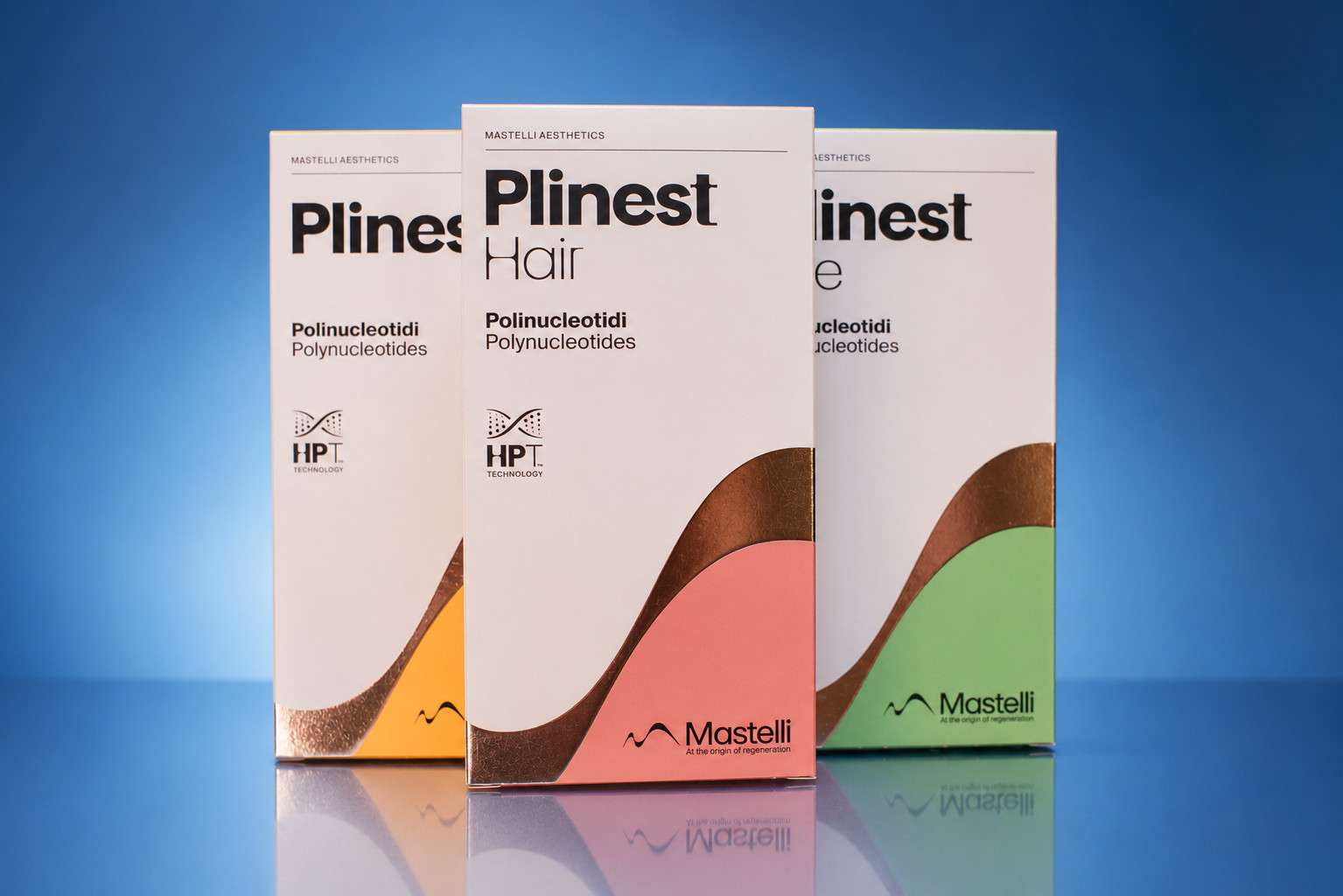
Regenerative skin repair
At Regents Park Aesthetics, polynucleotides are the regenerative skin treatment Berkhamsted patients ask about for the under-eyes. Purified polynucleotides support thin, tired skin from within, across a course of three at our clinic on Berkhamsted High Street.
per treatment
Polynucleotides are purified DNA fragments, derived from salmon, placed into the skin in small deposits. There they act as both scaffold and signal, waking up fibroblasts, improving hydration and prompting the tissue to repair itself. Filler corrects a shape on the day. Polynucleotides work on the tissue itself, building quality steadily across a course.
Face
Where polynucleotides shine. Thin under-eye skin looks thicker and brighter as the course builds, softening the shadows.
Skin
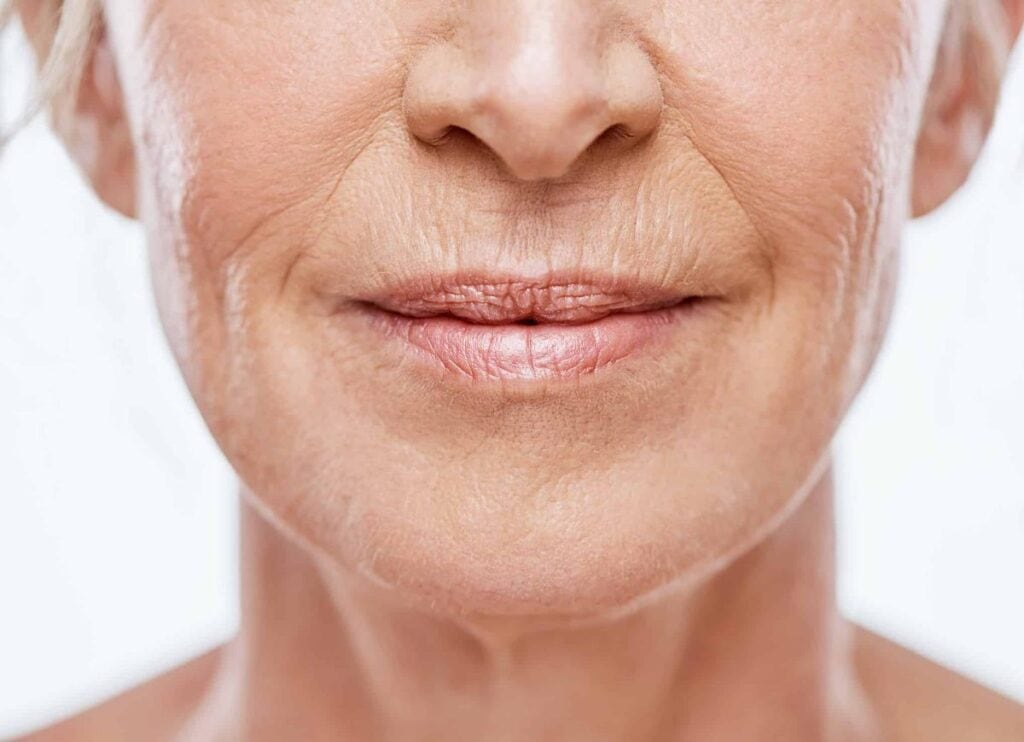
Thin, sun-damaged skin repaired at tissue level rather than filled.

Skin
The same repair mechanism, working on scarred tissue over a course.

Skin
Hydration held within the tissue, with collagen and elastin stimulated alongside.

Body
Used for early thinning, where the repair mechanism improves the scalp environment.
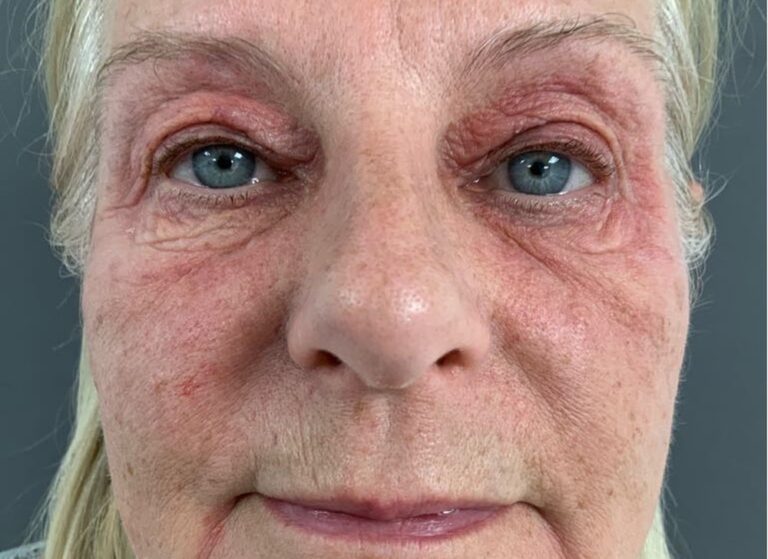
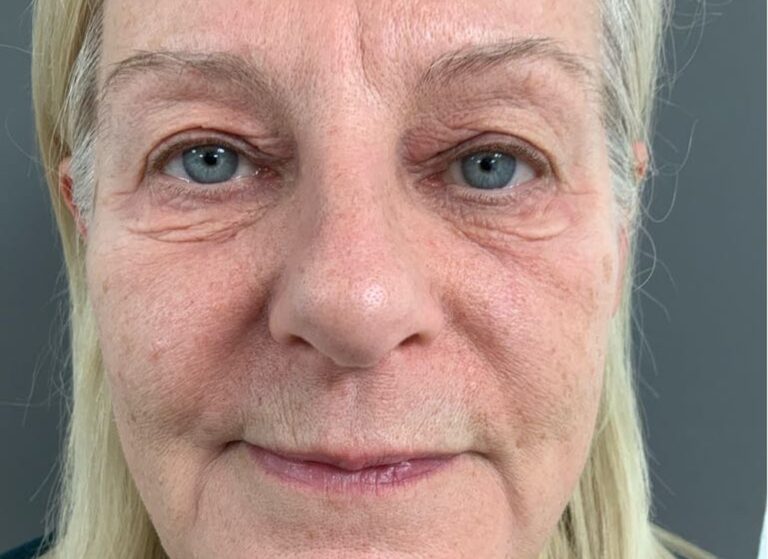
Polynucleotides work on skin quality rather than volume, which is why the under eye is the area they suit best. The skin looks thicker and less irritated rather than filled. Photographed at MediZen, Birmingham. Individual results may vary.
Regenerative skin treatment, working on quality from within.
Polynucleotides renew the skin from within, and the delicate under-eye is where most patients first hear about them.
Polynucleotides do their work inside the skin itself, which is why the delicate under-eye is where they made their name.
The thinnest skin on the face, and a natural home for polynucleotides. They add no volume, improving skin quality so less of what lies beneath shows through.
Reactive or damaged skin, where the anti-inflammatory effect matters.
Scarring, often alongside microneedling.
Works on the scalp for early hair thinning.
Polynucleotides are placed within the skin itself, in small amounts across the treated area. They hold water and set the cells that build collagen to work, which is why the change is in skin quality rather than in volume.


Depth and the number of sessions are set at assessment. The positions shown are illustrative, not a treatment plan.
Your clinician assesses skin quality, thickness and the cause of the concern. Where a hollow is structural, filler may join the plan alongside.
What you feel or see A close look at the skin and what sits beneath it.
What to do Ask whether the darkness is thin skin or pigmentation, since each has its own answer.
A series of small injections across the treatment area using a fine needle or cannula. Topical anaesthetic is used under the eyes.
What you feel or see Small stings, less under the eyes once numb.
What to do Day one is quiet by design, as the repair work begins beneath the surface.
Small bumps at each injection point, settling within a day. Bruising is possible under the eyes.
What you feel or see Slightly bumpy, occasionally bruised.
What to do Plan around it if you have something on.
Improvement in hydration appears within two weeks.
What you feel or see Skin feels better hydrated.
What to do Keep to ordinary skincare.
Three to four weeks apart. The course is three, and each session builds on the last.
What you feel or see As before.
What to do Book all three at the start.
Improvement builds steadily. Under-eye results are usually clearest at eight to twelve weeks: a reduction in crepiness and shadowing rather than the filling of a hollow.
What you feel or see Smoother, brighter under-eye skin.
What to do Photographs at week eight in the same light.
Results last six to nine months after a full course. Most patients repeat the course every six to nine months, or run a single maintenance session.
What you feel or see A gradual return.
What to do Decide with your clinician which suits you.
Your clinician assesses skin quality, thickness and the cause of the concern. Where a hollow is structural, filler may join the plan alongside.
A series of small injections across the treatment area using a fine needle or cannula. Topical anaesthetic is used under the eyes.
Small bumps at each injection point, settling within a day. Bruising is possible under the eyes.
Improvement in hydration appears within two weeks.
Three to four weeks apart. The course is three, and each session builds on the last.
Improvement builds steadily. Under-eye results are usually clearest at eight to twelve weeks: a reduction in crepiness and shadowing rather than the filling of a hollow.
Results last six to nine months after a full course. Most patients repeat the course every six to nine months, or run a single maintenance session.
The course is three, and each session builds on the last.
Under-eye results are usually clearest at eight to twelve weeks: a reduction in crepiness and shadowing rather than the filling of a hollow.
Every patient is assessed by a qualified clinician, a doctor, nurse or other qualified practitioner, before anything is booked.

Lead Practitioner
Award-winning aesthetic nurse practitioner with more than twenty years of specialist NHS nursing and over a decade in advanced aesthetic medicine. Qualified independent prescriber.

Doctor
MBChB, BSc (Hons), with First-Class degrees in Physiological Sciences and in Medicine and Surgery. In Berkhamsted every Thursday.
Each has its own strengths, and your consultation matches the right one to your skin and goals.
| PolynucleotidesCellular repair | ProfhiloHyaluronic acid skin booster | Dermal fillersHyaluronic acid | |
|---|---|---|---|
| What it does | Supports skin quality and calms reactive skin | Hydrates and stimulates collagen | Adds volume and corrects shape immediately |
| Best for | Thin, damaged, reactive or under-eye skin, and the scalp | Crepey cheeks and neck | Volume and shape |
| Under the eyes | A natural first choice | Less suited to the very thin under-eye | Technically demanding; polynucleotides are usually the first choice here |
| Lasts | 6 to 9 months | Around 6 months | 12 to 18 months |
| See pricing | Explore Profhilo | Explore dermal fillers |
Regents Park Aesthetics frequently combines them, running polynucleotides under the eyes and Profhilo across the cheeks in the same treatment plan.
Course3 sessions, 3 to 4 weeks apart
ResultsFrom 4 weeks
Lasts6 to 9 months
Downtime24 hours
Your plan and the number of sessions are agreed at your consultation, before anything is booked.
Purified DNA fragments, derived from salmon, placed into the skin to stimulate repair. They hydrate, prompt collagen production and calm inflammation, improving the quality of the tissue rather than adding volume. They suit anyone whose question is tissue quality rather than shape.
That is the nickname the treatment picked up online. The polynucleotides are purified DNA fragments from salmon, processed to a medical standard, and the clinical name is the one we use.
Yes. Rejuran is the Korean original, while Plinest, Ameela and Nucleofill are the versions more commonly stocked in UK clinics. They differ in concentration and purification, not in what they are.
£320 per area at our Berkhamsted clinic. The protocol is three sessions three to four weeks apart, and we quote the course at consultation.
Three, spaced three to four weeks apart. Repair is cumulative, and each session builds on the last.
Six to nine months after a full course. Most patients repeat the course annually or slip in a single maintenance session between.
This is where they shine. Under-eye skin is very thin, and polynucleotides add no volume, so they improve crepiness and shadowing directly and leave the contour exactly as it was.
Darkness from thin skin showing the vessels beneath responds beautifully. Darkness from pigmentation has its own treatment, and a structural hollow is where filler fits. Your clinician works out which yours is at consultation.
A series of small injections, with topical anaesthetic under the eyes. Most patients find it very manageable.
Small bumps at each injection point for up to twenty four hours, and occasionally a bruise under the eyes that settles within a week.
Profhilo is hyaluronic acid working through hydration and collagen stimulation, and it suits crepey cheeks and neck. Polynucleotides are DNA fragments working through cellular repair, and they suit thin, damaged, reactive and under-eye skin best. Many patients have both.
Polynucleotides are well tolerated. Nothing is placed to hold a shape, so the treatment behaves gently, and your clinician covers suitability with you at consultation.
They improve the scalp environment and are used for early thinning, often alongside PRP, while the follicles are still active.
Yes, and it is a common pairing: polynucleotides for tissue quality, Profhilo for hydration across the cheeks and neck, filler where structure is needed. Your consultation maps the order.
A prescribing clinician: Kay Greveson, our founder and an advanced nurse prescriber, or Dr Grace Adamson, who is in Berkhamsted every Thursday.
113 High Street, Berkhamsted HP4 2DJ, a short walk from the station and a short drive from Tring, Hemel Hempstead, Chesham and Amersham.
Every plan starts with an assessment at our Berkhamsted clinic, so the treatment you book is the one that suits your skin.
Tell us what you’d like to achieve. Regents Park Aesthetics will be in touch within one working day to arrange your consultation.


