
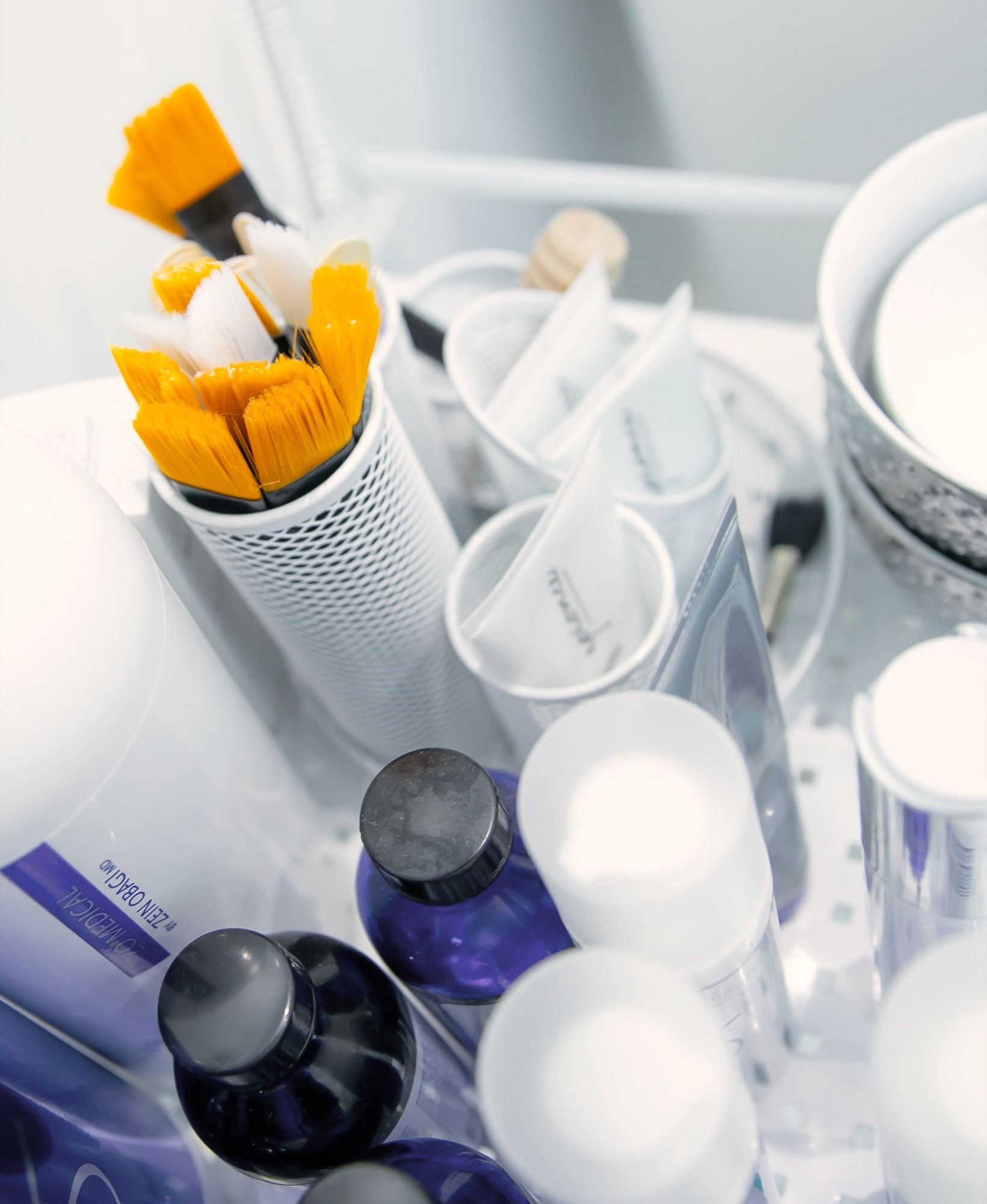

Brushes, bottles and a prepared tray for a facial treatment

Manual and Lymphastim

Lymphatic Drainage Massage in Berkhamsted

The quietest hour at the clinic, and the one that sends you out lighter than you came in. Manual drainage by hand for the face and after surgery, Lymphastim compression for heavy legs, both with real physiological evidence behind them and a result you can feel the same afternoon.

Quick facts

  • Treats Post-surgical swelling, fluid retention, puffiness, heaviness
  • Two methods Manual by hand, or Lymphastim compression
  • Session 30 to 60 minutes
  • Course Varies, often weekly post-surgery
  • Performed by Trained therapists
Price from From £70

per treatment

Two treatments under one name, each suited to different things.

Manual drainage is the better choice for the face and for post-operative work; Lymphastim suits the legs and general fluid retention.

Two methods

Manual Drainage or Lymphastim?

Two different treatments, often confused, and suited to different things.

By hand

Manual lymphatic drainage

Performed by hand using very light, slow, rhythmic strokes in the direction of lymph flow. It is nothing like a deep tissue massage, and the gentleness is the point: the superficial lymphatic vessels sit just under the skin and respond to a feather touch, so most patients drift off within minutes.

Best for
The face, and post-operative work
Session
Thirty to sixty minutes
Why
Precise; can be directed around a surgical site
Compression device

Lymphastim

A compression device. You wear inflatable garments on the legs, arms or abdomen, and chambers inflate and deflate in sequence to move fluid upward mechanically. It covers large areas efficiently and it is consistent.

Best for
Legs and general fluid retention
Session
Sixty minutes
Why
Covers large areas efficiently

Many patients use both: manual work around a surgical site, Lymphastim for the limbs.

Where it works

Where Lymphatic Drainage Is Used

Manual drainage is the better choice for the face and for post-operative work; Lymphastim suits the legs and general fluid retention. Many patients use both.

Front body outline with treatment areas marked
Lymphastim

Legs and ankles

Ankles that swell by evening and legs heavy with fluid. The inflatable garments move fluid upward mechanically.

Method
Lymphastim
Result
Limb heaviness eases the same day
Post-surgical

Abdomen

After liposuction, a tummy tuck or any procedure that disrupts lymphatic vessels, fluid accumulates in the tissue. Manual work around the surgical site, Lymphastim for the rest.

Method
Manual around the site, Lymphastim elsewhere
Course
Often weekly for several weeks, as directed by your surgeon
Lymphastim

Arms

Garments for the arms move fluid in the same sequence as the legs.

Method
Lymphastim
Session
Sixty minutes
Front view of a face with treatment zones marked
Manual drainage

Face

Very light, slow, rhythmic strokes in the direction of lymph flow. Facial puffiness reduces within the session and is visible immediately.

Method
Manual, by hand
Result
Immediate, and short-lived

Thirty to sixty minutes by hand, or sixty minutes in the compression garments. Drink water afterwards and expect to pass more urine over the following day. Minimal downtime.

Your visit and your results

How Lymphatic Drainage Works, Step by Step

01 Day 0

The reason you are here sets the method

Your therapist asks what brought you in, which settles the method. Post-surgical patients talk through the procedure, when it happened and when the surgeon is happy for drainage to begin.

What you feel or see A conversation about the reason and the area.

What to do Post-surgery, bring your surgeon's clearance.

  1. Your therapist asks what brought you in, which settles the method. Post-surgical patients talk through the procedure, when it happened and when the surgeon is happy for drainage to begin.

    What you feel or see A conversation about the reason and the area.

    What to do Post-surgery, bring your surgeon's clearance.

  2. Thirty to sixty minutes of very light rhythmic strokes, following the direction the lymph naturally travels.

    What you feel or see Deeply relaxing, and a good number of patients fall asleep.

    What to do Expect gentle, not deep.

  3. Sixty minutes wearing the compression garments while the chambers cycle.

    What you feel or see Rhythmic squeezing that moves up the limb. You can read or work.

    What to do Bring something to read.

  4. Drink water and expect to pass more over the following day, which is the fluid leaving. Minimal downtime. Facial puffiness eases within the session and limb heaviness lifts the same day.

    What you feel or see Lighter limbs; less facial puffiness, visible immediately.

    What to do Drink water.

  5. Post-surgery, often weekly for several weeks as directed by your surgeon. For fluid retention, as often as it helps. A single session before an event works beautifully, because the effect is immediate.

    What you feel or see Post-surgical swelling improving week by week.

    What to do Follow your surgeon's guidance on frequency.

Consultation Day 0
Day 0 · Consultation

The reason you are here sets the method

Your therapist asks what brought you in, which settles the method. Post-surgical patients talk through the procedure, when it happened and when the surgeon is happy for drainage to begin.

What you feel or seeA conversation about the reason and the area.
What to doPost-surgery, bring your surgeon's clearance.
Day 0 · Manual session

Thirty to sixty minutes

Thirty to sixty minutes of very light rhythmic strokes, following the direction the lymph naturally travels.

What you feel or seeDeeply relaxing, and a good number of patients fall asleep.
What to doExpect gentle, not deep.
Day 0 · Lymphastim session

Sixty minutes in the garments

Sixty minutes wearing the compression garments while the chambers cycle.

What you feel or seeRhythmic squeezing that moves up the limb. You can read or work.
What to doBring something to read.
Same day · Afterwards

The fluid leaving

Drink water and expect to pass more over the following day, which is the fluid leaving. Minimal downtime. Facial puffiness eases within the session and limb heaviness lifts the same day.

What you feel or seeLighter limbs; less facial puffiness, visible immediately.
What to doDrink water.
Weekly, or as it helps · The course

Consistency over intensity

Post-surgery, often weekly for several weeks as directed by your surgeon. For fluid retention, as often as it helps. A single session before an event works beautifully, because the effect is immediate.

What you feel or seePost-surgical swelling improving week by week.
What to doFollow your surgeon's guidance on frequency.
Session Milestone
Key benefits
  • Reduces post-surgical swelling and firmness, which surgeons routinely recommend
  • Relieves the heaviness of fluid retention in legs and ankles
  • Reduces facial puffiness, visibly and quickly
  • Genuinely relaxing, since the manual technique is very light
  • Minimal downtime and no restriction afterwards
  • Two methods available, matched to the area and the reason

Two things it does not do. It does not detoxify you, since the liver and kidneys do that continuously and do not need help. It does not cause weight loss, and any weight change on the scale afterwards is fluid, which returns.

Lighter legs and a sharper face, the same afternoon.

Fluid that had settled in the tissue moves on, puffiness eases within the session, and there is minimal downtime.

Book a consultation

Lymphatic Drainage at Regents Park Aesthetics

Meet your practitioners

Every patient is assessed by a qualified clinician, a doctor, nurse or other qualified practitioner, before anything is booked.

Anna Stenekova, Aesthetic Therapist at Regents Park Aesthetics

Anna Stenekova

Aesthetic Therapist

Over twenty years in beauty and aesthetics, specialising in body contouring, radiofrequency, laser hair removal and HydraFacial.

Kay Greveson, Lead Practitioner at Regents Park Aesthetics

Kay Greveson

Lead Practitioner

Award-winning aesthetic nurse practitioner with more than twenty years of specialist NHS nursing and over a decade in advanced aesthetic medicine. Qualified independent prescriber.

Choosing between treatments

Manual drainage or Lymphastim

The right choice depends on your skin and what you are treating; a consultation settles it.

Manual drainageBy handLymphastimCompression therapy
How it worksVery light rhythmic strokesInflatable compression garments move fluid mechanically
Best forThe face and post-operative workThe legs and general fluid retention
Session30 to 60 minutes60 minutes
See pricingSee pricing

Many patients use both.

Transparent pricing

Pricing

Planning your treatment

Session30 to 60 minutes

CourseVaries, often weekly post-surgery

Your plan and the number of sessions are agreed at your consultation, before anything is booked.

Book a consultation

Treatment
From
Manual lymphatic drainage, face, 30 min
£70
Manual lymphatic drainage, face, 60 min
£120
Lymphastim lymphatic drainage, 1 session
£90
Lymphastim add-on to another treatment
£50
Lymphatic drainage suit worn during a facial
£50
30 minute body massage
£40
60 minute body massage
£70
Questions patients ask

Frequently asked questions

A treatment that moves fluid out of the tissue and on through the lymphatic system, which has no pump of its own. At our Berkhamsted clinic it is done either by hand, with very light rhythmic strokes, or with Lymphastim, a compression device whose garments inflate in sequence up the limb.

Three groups, and they want quite different things. Post-surgical patients, after liposuction, a tummy tuck or breast surgery, for whom drainage clears accumulated fluid and many surgeons specifically recommend a course. People carrying fluid, with ankles that swell by evening or a face that is puffy on waking. And people who simply want to look less puffy tomorrow, which is a perfectly good reason and the most common one before an event.

Manual drainage for the face is £70 for thirty minutes and £120 for sixty at our Berkhamsted clinic. Lymphastim is £90 a session, or £50 added to another treatment.

Manual drainage is done by hand with very light rhythmic strokes and can be directed precisely around a surgical site or across the face. Lymphastim uses inflatable compression garments to move fluid mechanically and covers large areas such as the legs efficiently. Many patients use both: manual work around a surgical site, Lymphastim for the limbs.

Lighter limbs and a less puffy face, visible within the session. Over the following day you pass more water than usual, which is the fluid leaving, and post-surgical swelling improves week by week across a course.

It moves fluid, so you look and feel lighter and the scale can dip for a day or two as the fluid leaves. For a lasting change to fat itself, CoolSculpting Elite at our Berkhamsted clinic is the treatment built for the job, and your therapist will happily talk you through both.

Your liver and kidneys handle that beautifully on their own. What drainage does is move fluid that has settled in the tissue, which is a real and useful thing, and it is why faces look sharper and legs feel lighter afterwards.

This is its strongest use. After liposuction, a tummy tuck or breast surgery, drainage reduces swelling and firmness, and many surgeons specifically recommend a course. Your surgeon sets the start date and the rhythm, and we work to it.

When your surgeon says so, which varies by procedure and is usually somewhere between a few days and two weeks. Bring their guidance with you and your therapist plans the course around it.

Not at all, and it is far lighter than most people expect. Manual drainage uses a very gentle pressure, because the superficial lymphatic vessels sit just under the skin and respond best to a feather touch. Lymphastim feels like a rhythmic squeeze travelling up the limb, and you can read or work while it runs.

Post-surgery, often weekly for several weeks as your surgeon directs. For fluid retention or puffiness, as often as it helps, and a single session before an event works beautifully.

Fluid returns while whatever drives it, hormones, long days on your feet, heat or salt, is still around, which is exactly why a one-off session before an event works so well and why regular patients book it in a rhythm.

It reduces the fluid component, which can smooth the appearance for a while. Cellulite also involves fibrous bands and fat, so where you want a structural change your therapist will point you to the body treatments at our Berkhamsted clinic that address those.

Yes, please. Expect to pass more water over the following day, which is the fluid on its way out.

Yes, and many patients do. Lymphastim is £50 added to another treatment, and lymphatic drainage of the face is built into the Platinum HydraFacial to take puffiness down before the glow goes on.

None. You walk out lighter and carry on with your day, and a facial session before an evening out is a favourite.

For most people, yes. Your therapist covers suitability, timing and aftercare at your consultation, and the team is a phone call away afterwards.

Anna Stenekova and our skin therapists at our Berkhamsted clinic. Anna has more than twenty years in aesthetics, with body contouring and radiofrequency among her specialities, and leads the Berkhamsted skin room.

113 High Street, Berkhamsted HP4 2DJ, a short walk from the station and a short drive from Tring, Hemel Hempstead, Chesham and Amersham.

Lymphatic Drainage at Regents Park Aesthetics

Ready when you are.

Every plan starts with an assessment rather than a booking. If another treatment would serve you better, that is what we will recommend.

Address113 High Street, Berkhamsted HP4 2DJ
Telephone01442 916688

Book a consultation