





Face
Hooded Eyes
The reason most patients come: an upper lid that has started to rest on the lash line and swallow the eyeshadow.
Explore skin
Care starts with your skin, not a treatment name.
Explore injectables
A medical consultation and an individual approach.
Explore face & body
Explore options for contour, muscle and firmness.
Explore concerns
You do not need to know the treatment. Tell us your concern.

Explore skin
Care starts with your skin, not a treatment name.
Explore injectables
A medical consultation and an individual approach.
Explore face & body
Explore options for contour, muscle and firmness.
Explore concerns
You do not need to know the treatment. Tell us your concern.
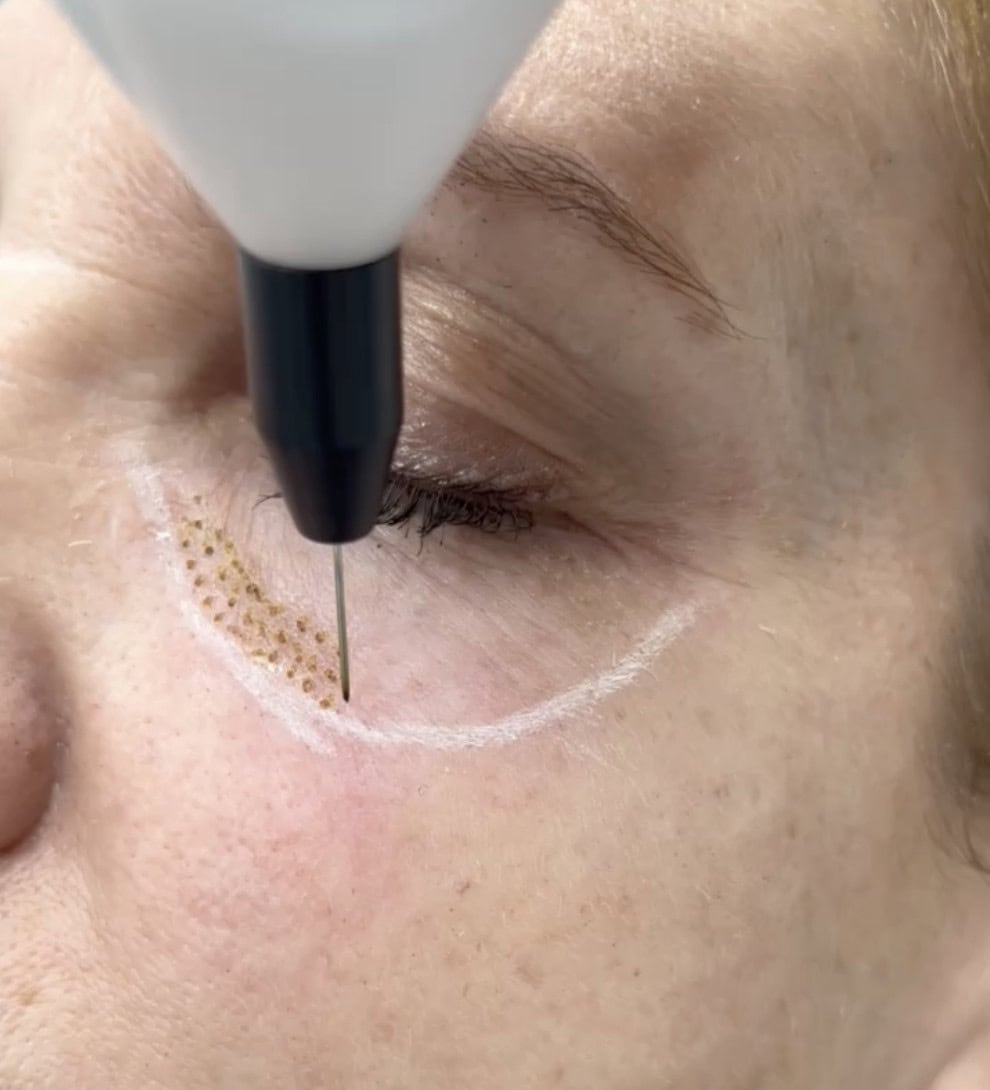
Eyelid tightening without surgery
Hooded lids lifted at our Berkhamsted clinic without a scalpel, a stitch or a general anaesthetic. A plasma device in a prescribing clinician’s hands, a local anaesthetic, about a week of recovery, and eyes that look awake again for two to three years.
per treatment
A fine probe is held just above the skin without touching it. The gap ionises into plasma, and that arc of energy turns a microscopic point of the surface layer directly to vapour. A grid of those points contracts the lid immediately, and the healing response lays down new collagen that tightens it further over the following months.
Face
The reason most patients come: an upper lid that has started to rest on the lash line and swallow the eyeshadow.

Face
Lower lids are treated more gently still, where the skin has gone fine and crepey.
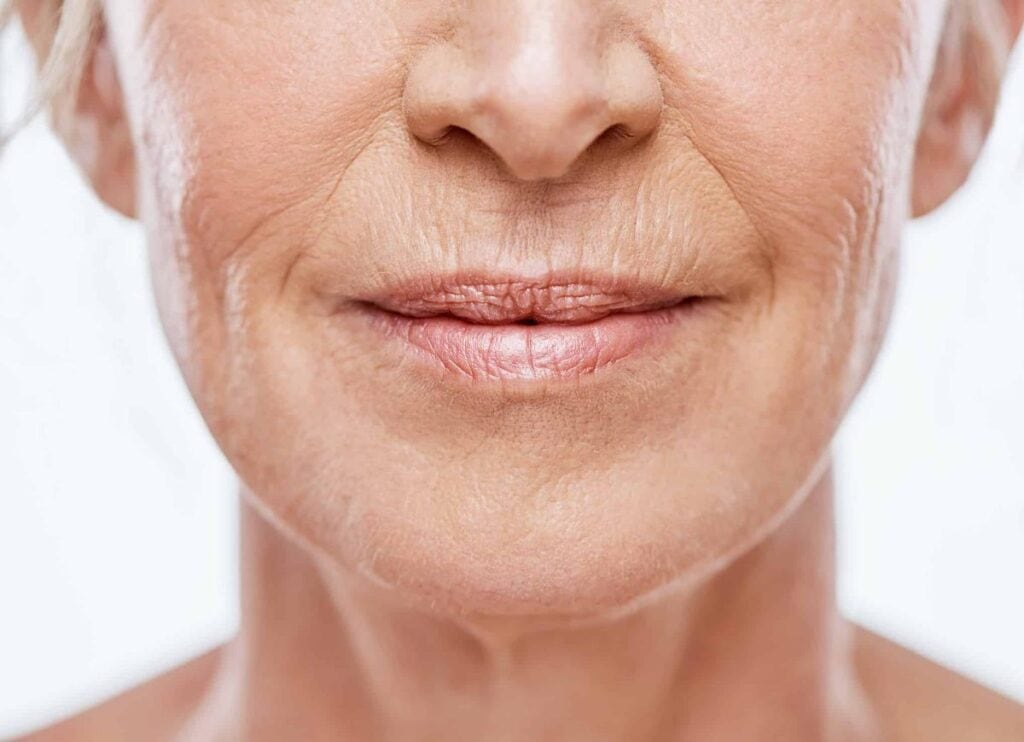
Skin
The same plasma grid is used on crepey skin elsewhere on the face.
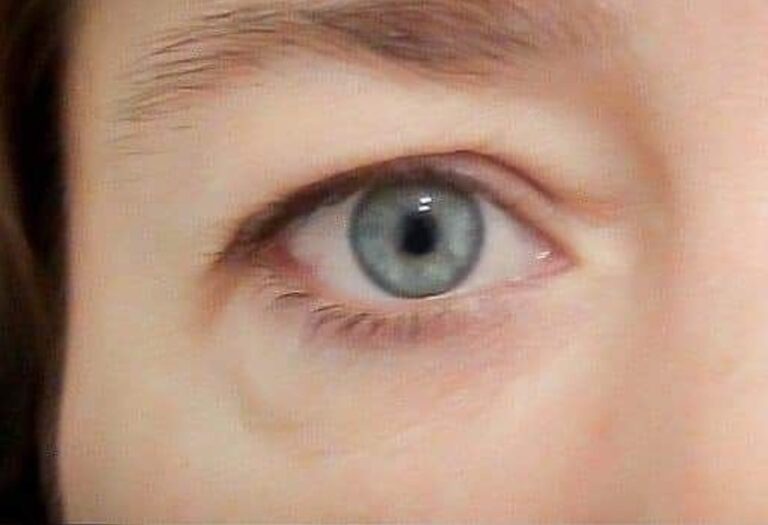
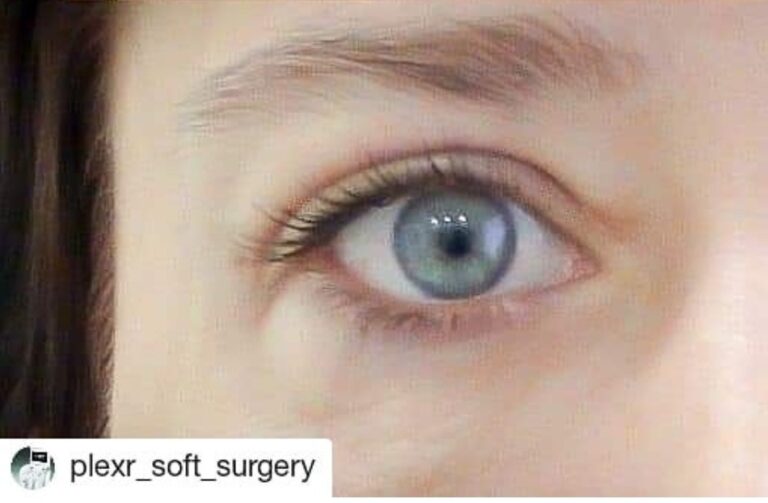
Clinical case image from the official Plexr gallery (GMV, Italy). Individual results may vary.
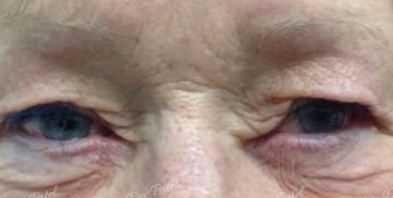
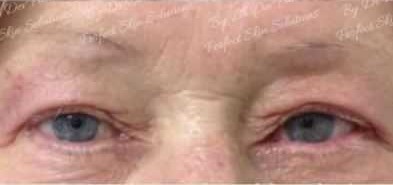
Clinical case image from the official Plexr gallery (GMV, Italy). Individual results may vary.
No scalpel, stitches or general anaesthetic.
A plasma device, a local anaesthetic and about a week of recovery.
Upper and lower lids are treated separately.
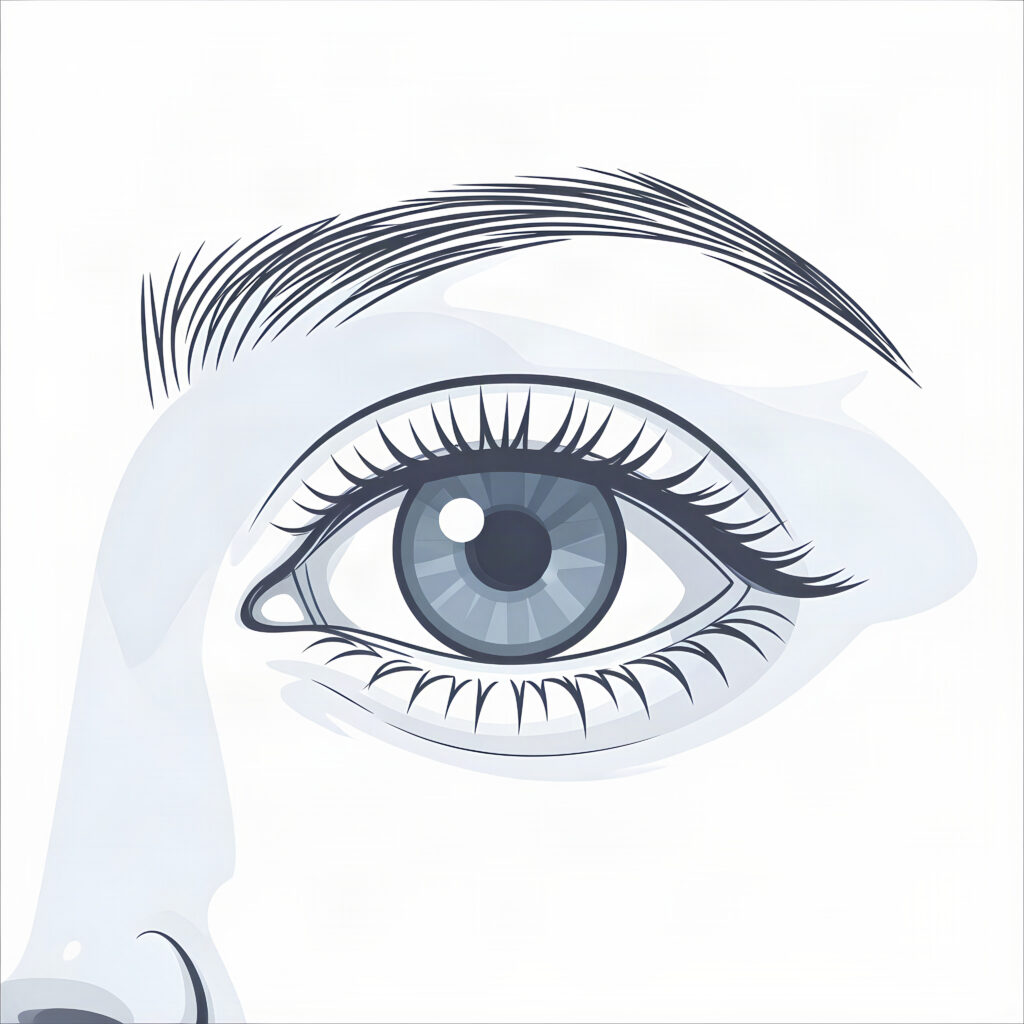
The upper lid that has loosened and started to rest on the lash line, where eyeshadow creases into a fold that was not there before.
Loose, crepey lower lid skin where surgery is a heavier option.
Around forty five minutes of numbing, then thirty to forty five minutes of treatment. Seven to ten days of swelling and crusts, your first proper look at four weeks, the final result at three months, lasting two to three years.
Your clinician assesses lid laxity, works out how much of the hooding is skin and how much sits deeper, and confirms plasma is the right tool for your eyes. Where surgery would serve you better, you hear that at this stage.
What you feel or see A close, unhurried look at the lids.
What to do Ask whether one treatment or two is likely for the result you picture.
Strong topical anaesthetic for around forty five minutes, because the eyelid is sensitive and this step is never rushed. Then a fine grid of plasma points across the treatment area.
What you feel or see Heat and small sharp sensations. Tiny brown dots appear as work progresses.
What to do Arrange a lift home if you prefer, as the lids will swell.
Eyelid skin swells generously, and the second morning is the peak. It is expected, it is part of the process, and it begins to drop from day three. The dots remain as small crusts.
What you feel or see Puffy lids, tight skin.
What to do Sleep propped up.
Swelling subsides and the crusts begin to flake away on their own.
What you feel or see Lids look and feel more normal each day.
What to do Leave the crusts to lift on their own, which is how the skin beneath stays flawless.
The lid is tighter from the moment the plasma touches it, though swelling hides that for the first week. Four weeks is when you see it properly in the mirror.
What you feel or see A visibly tighter lid.
What to do Photographs in the same light as before.
The tightening builds as new collagen forms. The result at three months is better than the result at three weeks, and that is the one to judge.
What you feel or see Steady improvement.
What to do Nothing. Let it build.
One treatment produces a visible improvement. Two treatments spaced twelve weeks apart produce the result most patients are picturing, and your clinician says at consultation which you are likely to need.
What you feel or see The final result of this treatment.
What to do If a second was planned, it happens now.
Results last two to three years. The skin keeps ageing underneath, so when you notice the change creeping back, a repeat is straightforward.
What you feel or see A gradual, gentle return over years.
What to do Reassess when you notice the change.
Your clinician assesses lid laxity, works out how much of the hooding is skin and how much sits deeper, and confirms plasma is the right tool for your eyes. Where surgery would serve you better, you hear that at this stage.
Strong topical anaesthetic for around forty five minutes, because the eyelid is sensitive and this step is never rushed. Then a fine grid of plasma points across the treatment area.
Eyelid skin swells generously, and the second morning is the peak. It is expected, it is part of the process, and it begins to drop from day three. The dots remain as small crusts.
Swelling subsides and the crusts begin to flake away on their own.
The lid is tighter from the moment the plasma touches it, though swelling hides that for the first week. Four weeks is when you see it properly in the mirror.
The tightening builds as new collagen forms. The result at three months is better than the result at three weeks, and that is the one to judge.
One treatment produces a visible improvement. Two treatments spaced twelve weeks apart produce the result most patients are picturing, and your clinician says at consultation which you are likely to need.
Results last two to three years. The skin keeps ageing underneath, so when you notice the change creeping back, a repeat is straightforward.
Your first proper look is at four weeks.
The tightening builds as collagen forms, and the result at three months is better still.
Every patient is assessed by a qualified clinician, a doctor, nurse or other qualified practitioner, before anything is booked.

Founder, Lead Clinician & Advanced Nurse Practitioner
Award-winning aesthetic nurse practitioner with more than twenty years of specialist NHS nursing and over a decade in advanced aesthetic medicine. Qualified independent prescriber.

Doctor
MBChB, BSc (Hons), with First-Class degrees in Physiological Sciences and in Medicine and Surgery. In Berkhamsted every Thursday.
The right choice depends on your skin and what you are treating; a consultation settles it.
| Non-surgical blepharoplastyPlasma | Surgical blepharoplastyWith an oculoplastic surgeon | |
|---|---|---|
| What it does | Tightens loose eyelid skin without cutting | Removes skin and repositions fat |
| Best for | Mild to moderate skin laxity | Prolapsed fat, or lids that obstruct vision |
| Result | Visible improvement, lasting 2 to 3 years | A bigger and longer-lasting result |
| See pricing |
Where the hooding is loose skin, plasma is in its element. Where it is fat sitting deeper, surgery is the better route, and your clinician says so at consultation.
Downtime7 to 10 days
ResultsVisible at 4 weeks, settled at 3 months
Lasts2 to 3 years
Your plan and the number of sessions are agreed at your consultation, before anything is booked.
A plasma treatment that tightens loose eyelid skin without cutting. A fine probe creates an arc of plasma just above the skin, turning microscopic points of the surface to vapour and causing the skin around them to contract. No scalpel, no stitches, no general anaesthetic, and it is one of the treatments our Berkhamsted patients ask about most.
Eyelid skin is the thinnest on the body and usually the first to show its age. The upper lid loosens and rests on the lash line, eyeshadow creases into a fold that was not there before, and people start asking whether you are tired. Plasma sits between doing nothing and having surgery, and it suits mild to moderate hooding where the skin has lost tone. Your clinician confirms the fit at consultation.
Surgery removes skin and repositions fat, and gives a bigger, longer-lasting result. Plasma treats mild to moderate skin laxity well, avoids a scalpel and a general anaesthetic, and lasts two to three years. For a great many lids that is exactly the right amount of change.
£500 for upper or lower lids and £1,099 for both together at our Berkhamsted clinic. Many patients have a second treatment at twelve weeks for a stronger result.
Topical anaesthetic goes on for around forty five minutes beforehand. During treatment you feel heat and small sharp sensations, uncomfortable rather than painful, and the eyelid is more sensitive than most areas, which is why the numbing is never rushed.
Seven to ten days. Swelling peaks on the second and third mornings, then drops away. Small crusts sit on the treated area for about a week and lift on their own.
The lid is tighter immediately, but swelling hides it for a week. Your first proper look is at four weeks, and the final result arrives at three months as collagen builds.
One produces a visible improvement. Two, twelve weeks apart, produce the result most patients are picturing. Your clinician tells you which is realistic at consultation.
Two to three years for most patients. The skin keeps ageing underneath, so a repeat is straightforward when you notice the change.
No, because nothing is cut. Leaving the crusts to lift on their own helps the skin beneath heal smoothly.
Your clinician assesses skin type carefully at consultation, because deeper skin tones can be more prone to temporary pigmentation after plasma, and talks you through what suits your eyes before anything is booked.
Once the crusts have come away naturally, which takes about a week. After that, makeup is back on and the lids simply look rested.
Sleep propped up for the first few nights, leave the crusts to fall away on their own, keep the area clean and out of the sun, and photograph the lids in the same light at four weeks and three months. Your clinician covers suitability, timing and aftercare at your consultation, and the team is a phone call away afterwards.
Yes, and it works well for crepey lower lid skin. Lower lids are treated more gently because the skin is thinner still.
Where the fullness sits deeper than the skin, surgery is the better route and your clinician will say so at consultation. Where it is loose skin, plasma is in its element.
A brand of plasma device used for this treatment. Plasma soft surgery, Plexr and non-surgical blepharoplasty are commonly used to mean the same procedure.
At least a month, so the swelling and crusts are well behind you and the lid has had its first four weeks to settle. Three months ahead shows the finished result.
A prescribing clinician: Kay Greveson, our founder and an advanced nurse prescriber, or Dr Grace Adamson, who is in Berkhamsted every Thursday.
113 High Street, Berkhamsted HP4 2DJ, a short walk from the station and a short drive from Tring, Hemel Hempstead, Chesham and Amersham.
Every plan starts with an assessment rather than a booking. If another treatment would serve you better, that is what we will recommend.
Tell us what you’d like to achieve. Regents Park Aesthetics will be in touch within one working day to arrange your consultation.
