
Hooded Eyes
Eyeliner that shows again, eyeshadow with somewhere to sit, and an eye that looks awake before the coffee does. Hooding is skin, a brow that has settled lower, or a little of both, and at our Berkhamsted clinic each has its own answer.
At a glance
- Causes Excess skin, fat prolapse, brow descent
- Clinic Regents Park Aesthetics Berkhamsted
- Downtime 7 to 10 days for plasma
- Lasts 2 to 3 years





What it is and why it happens
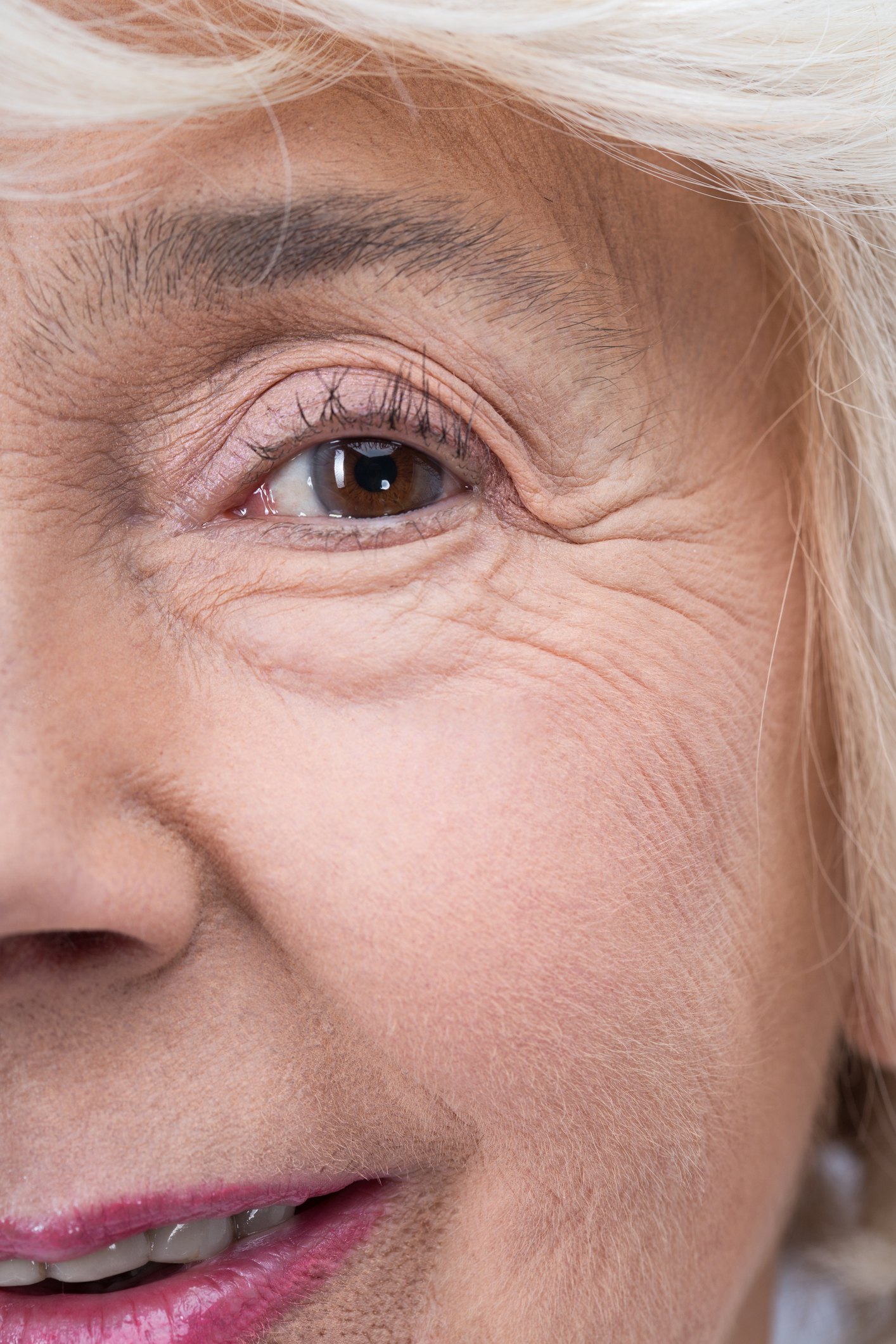
A hooded upper lid is skin resting on or over the lash line. Eyeshadow disappears into the fold, eyeliner smudges upward, and people ask whether you are tired when you are anything but.
Three things cause it, sometimes together. Excess or lax skin is the most common and the one that responds most beautifully to non-surgical treatment. Fullness from the fat pad sitting forward reads as puffiness rather than a fold. And brow descent means the whole brow has settled lower and taken the lid with it, so the brow is the place to start rather than the lid.
Some hooding is simply how your eye is built and has been there since your twenties, which is a different conversation from hooding that has crept in over the last decade. Both can be improved, and working out which you have is the first thing Kay does.
Treatments that address it
| Plasma Blepharoplasty A grid of plasma points tightens excess lid skin without a cut. Local anaesthetic only, seven to ten days of downtime, and a crisper lid for two to three years. From £500. | Brow Lift Injections A small amount placed to release the muscles pulling the brow down, lifting the tail and opening the eye. Subtle, quick, and the answer where the brow has settled. From £180. | |
|---|---|---|
 |
 |
|
| £500 | £180 | |
| Explore Plasma Blepharoplasty | Explore Brow Lift Injections |
- £500
- £180
Compared side by side
How we assess and treat
We look at the lid at rest, with the brow held in its natural position rather than raised, because most people lift their brows without noticing while being examined and that hides the hooding entirely. A gentle press tells us whether the fullness is skin or fat: skin folds and moves, while a forward fat pad is firmer and becomes more prominent when you look up. We check where the brow sits, because a brow that has settled lower is lifted first so the lid can follow.
Loose skin on the lash line is tightened with plasma blepharoplasty, a grid of fine points that lets the lid retract without a cut. Brow descent gets a brow lift with anti-wrinkle injections, often paired with EmFace to train the forehead muscle that holds the brow up. Thin, crepey lid skin can be improved in quality with polynucleotides. Prescription-only medicines are only considered after a face-to-face consultation with a prescriber. Your clinician covers suitability, timing and aftercare at your consultation, and the team is a phone call away afterwards.

Can you treat it at home?
Home care improves the skin around a hooded lid rather than lifting it, and knowing that saves a great deal of money on eye creams. Retinol used very cautiously just below the brow can give a modest improvement in skin quality over months; the lid itself is the thinnest skin on the body and irritates easily, so introduce anything new slowly. Sleeping slightly propped up reduces the morning fluid that exaggerates the look.
Makeup technique genuinely helps and gets dismissed unfairly. Placing shadow above the crease rather than in it, and keeping liner thin, changes how hooding reads considerably. Leave at-home tightening devices on the shelf and let the lid be treated by a clinician who does it every week.

Related concerns
Meet our team of experts
Hooded eyes at our Berkhamsted clinic are assessed and treated by Kay Greveson, our founder and advanced nurse prescriber.
Frequently Asked Questions
Excess or lax lid skin, the fat pad sitting forward, or the brow settling lower and taking the lid with it. Sometimes it is simply how your eye is built and has been there since your twenties. Each has its own answer.
Yes. Where the cause is loose skin, plasma blepharoplasty tightens the lid without a cut, with results lasting two to three years. Where the brow has settled, a brow lift with anti-wrinkle injections opens the eye, and EmFace trains the muscle that holds it up.
Plasma blepharoplasty is £500 for upper or lower lids and £1,099 for both together at our Berkhamsted clinic. Brow lift injections are from £180.
Seven to ten days for plasma. Swelling peaks on days two and three and small crusts sit on the area for about a week, then lift away to reveal the new lid. Brow lift injections have none.
Two to three years for plasma and three to four months for brow lift injections. Ageing carries on underneath, so a repeat later on keeps the lid where you like it.
Surgery removes skin and repositions fat under general anaesthetic, with weeks of recovery. Plasma tightens moderate laxity with local anaesthetic only, seven to ten days of downtime and no scalpel, and for most of the hooding we see at our Berkhamsted clinic it is exactly the right amount of treatment.
Where the brow has settled, yes. A brow lift releases the muscles pulling the brow down, raising the tail and opening the eye. It is subtle, and it pairs beautifully with plasma where the lid skin is loose too.
They improve the skin rather than lifting it. Retinol can improve skin quality a little over months, and the lid irritates easily, so go slowly. Good makeup technique does more for the look of a hooded lid than any cream.
Plasma is planned with extra care on deeper skin tones, and your clinician talks through what suits your skin at consultation. Brow lift injections suit most skin tones.
One plasma treatment produces a visible improvement. Two, twelve weeks apart, produce the result most patients are picturing.
Keep the area clean and dry while the crusts are on, wear sunscreen once they have gone, and sleep slightly propped up for the first few nights. Your clinician covers suitability, timing and aftercare at your consultation, and the team is a phone call away afterwards.
Kay Greveson, our founder and advanced nurse prescriber.
113 High Street, Berkhamsted HP4 2DJ, a short walk from the station and a short drive from Tring, Hemel Hempstead, Chesham and Amersham.
