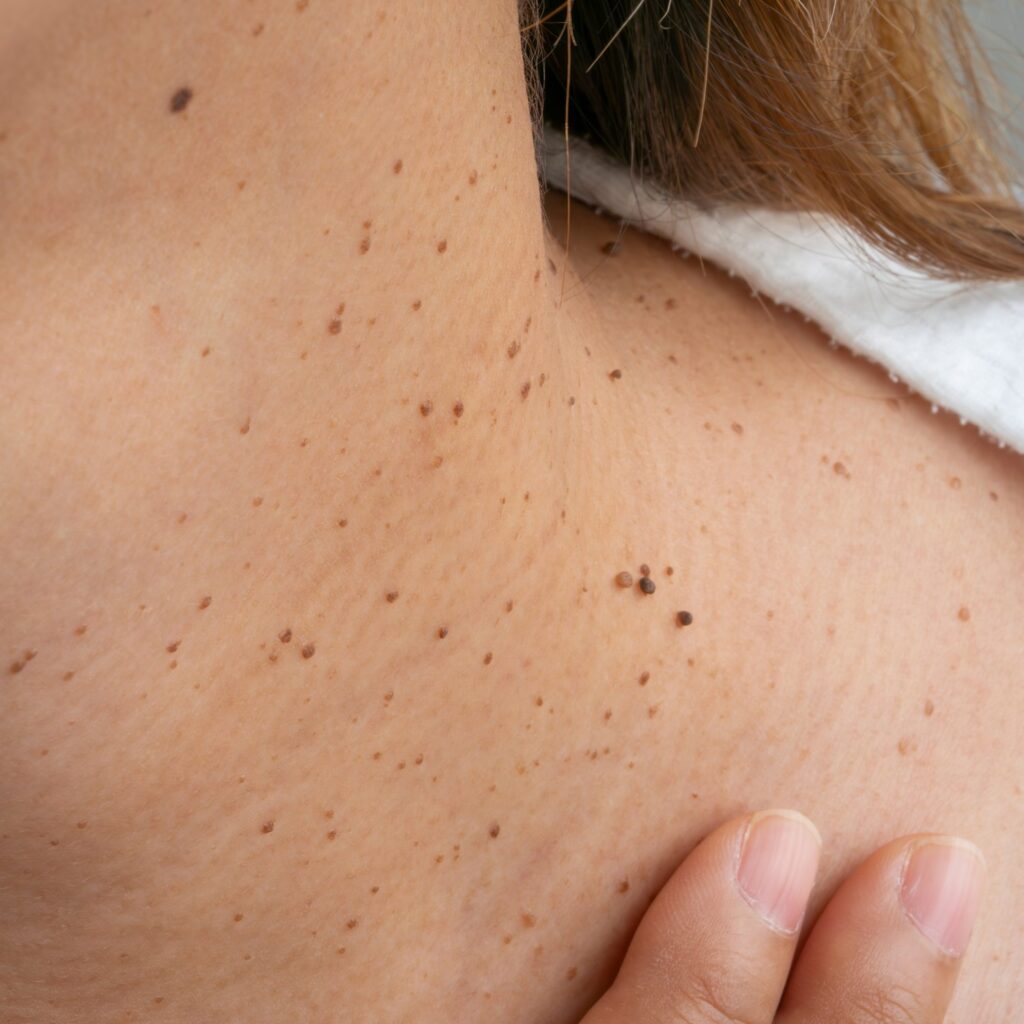
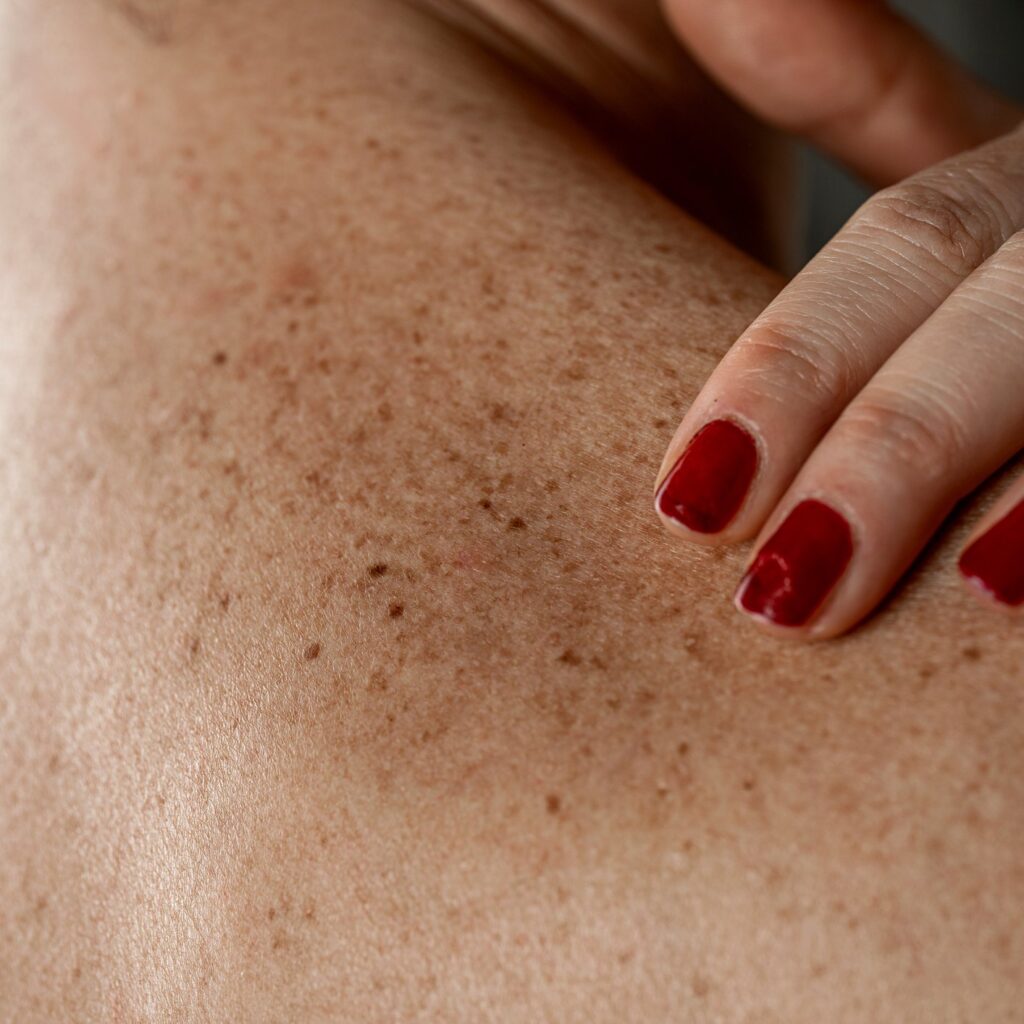
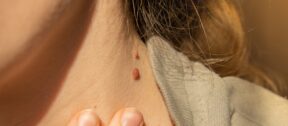
Small skin tags in a skin fold

Skin Tags, Moles and Warts

The skin tag that catches on your necklace, the milia you spot every time you apply concealer: most lumps and bumps are harmless and easily removed in a single appointment at Wimpole Street. A clinician examines each one first, so you leave knowing exactly what was treated.

At a glance

  • Covers Skin tags, warts, verrucas, milia, cherry angiomas, moles
  • Removal Plasma pen, single appointment
  • Assessment Clinician-led, always
  • Downtime Small crusts, 7 to 10 days
  • Available at Wimpole Street, London
Price from From £180 for 1 to 3

What it is and why it happens

Skin accumulates things. By fifty most people have collected an assortment of tags, spots and small growths, and the overwhelming majority are entirely harmless.

The useful question is whether a lesion is stable, and that is exactly what your clinician checks, with a dermatoscope, at the consultation.

Regents Park Aesthetics assesses every lesion before treating it and refers anything uncertain. That careful first look is the foundation of every removal.

For the benign majority, removal is straightforward: one appointment, no cutting, no stitches, and a small crust that flakes away over a week.

A clinician examining a mole before removal
Know your type

Which type is yours?

Skin tags

Soft, on a stalk, in skin folds

Skin tags

Small flesh-coloured growths on neck, underarms, eyelids and under the bust, where skin rubs. Entirely harmless. They catch on collars and jewellery, which is why most people have them removed. Treated tags rarely return in the same spot, though new ones can form elsewhere.

Warts and verrucas

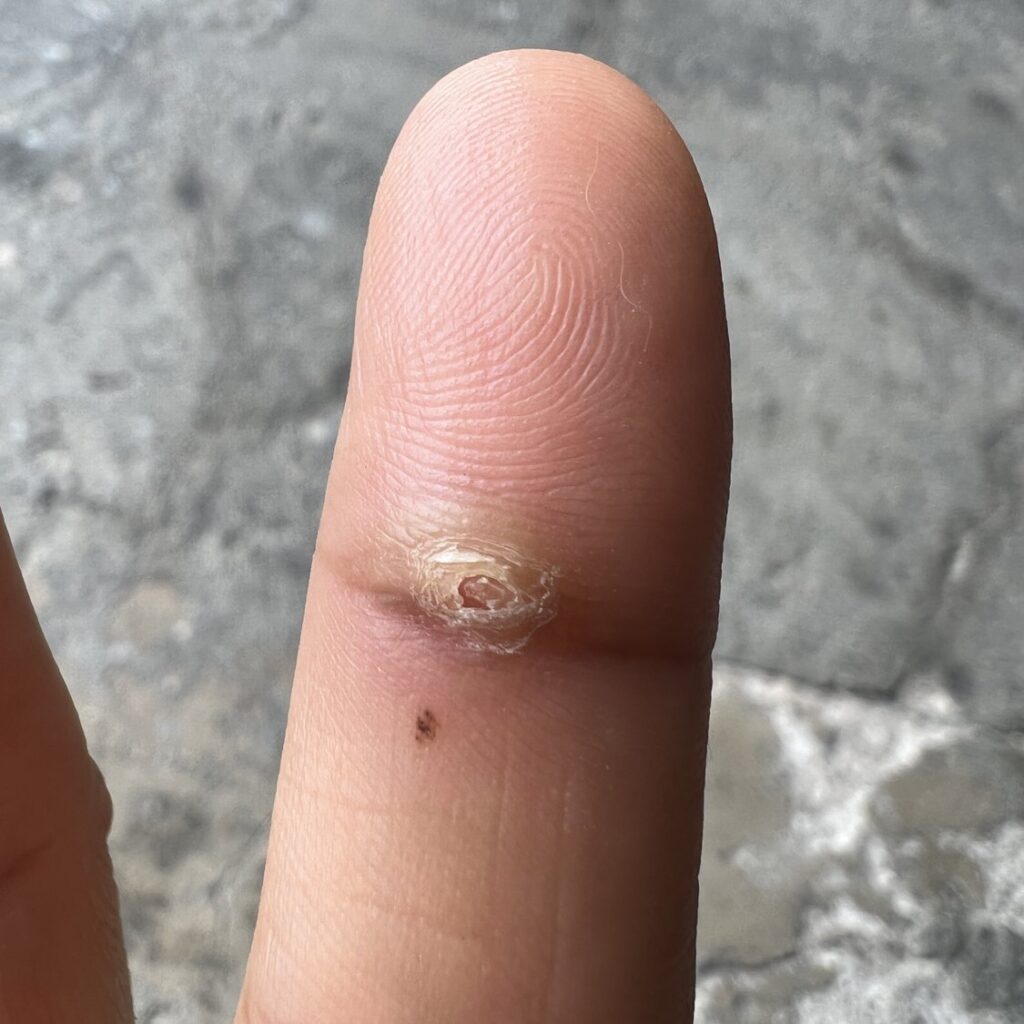
Rough, raised, sometimes with dark dots

Warts and verrucas

Caused by human papillomavirus. Contagious and stubborn, often outlasting months of pharmacy treatment. Plasma removal is effective, and because they are viral a second session is occasionally needed.

Milia

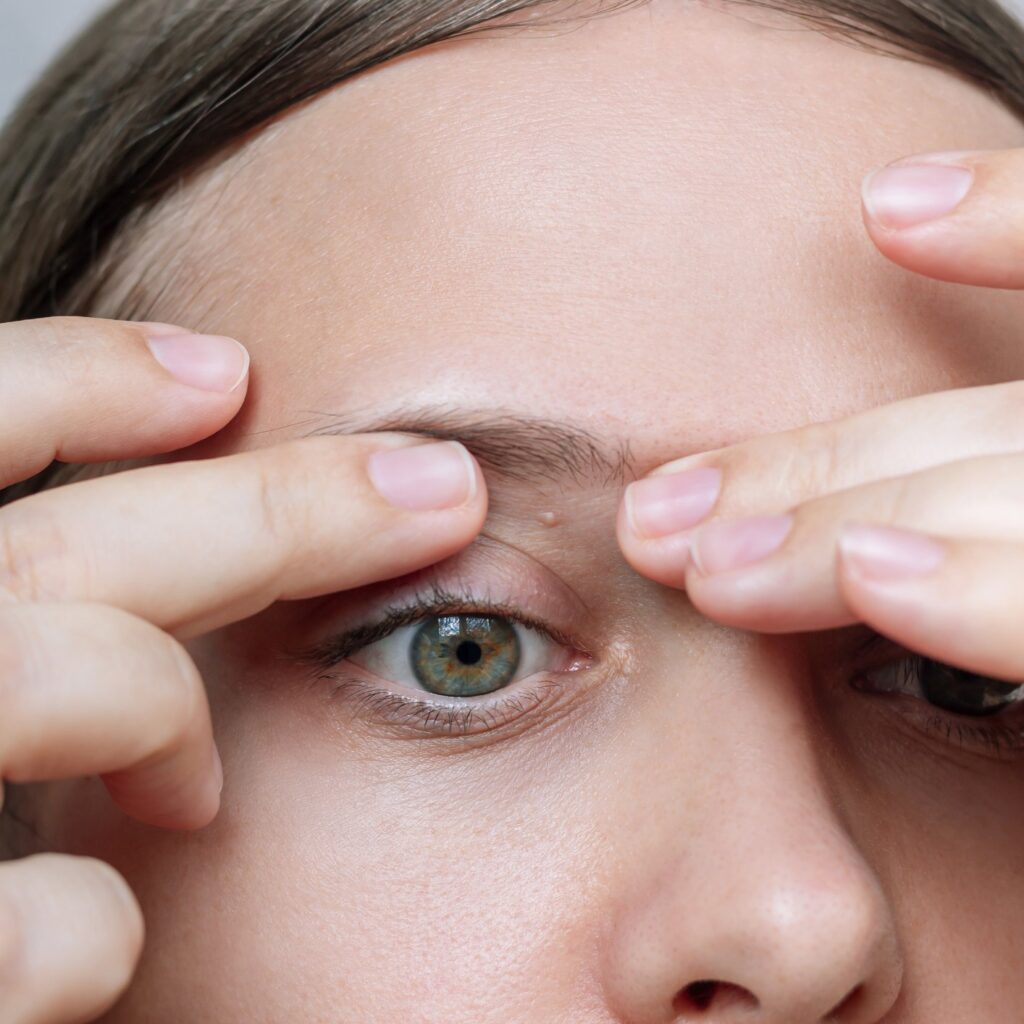
Tiny hard white bumps, often around the eyes

Milia

Keratin trapped beneath the surface, quite different from congestion, so facials, extraction and exfoliation pass them by. They need opening, which plasma does precisely enough for the eye area.

Moles

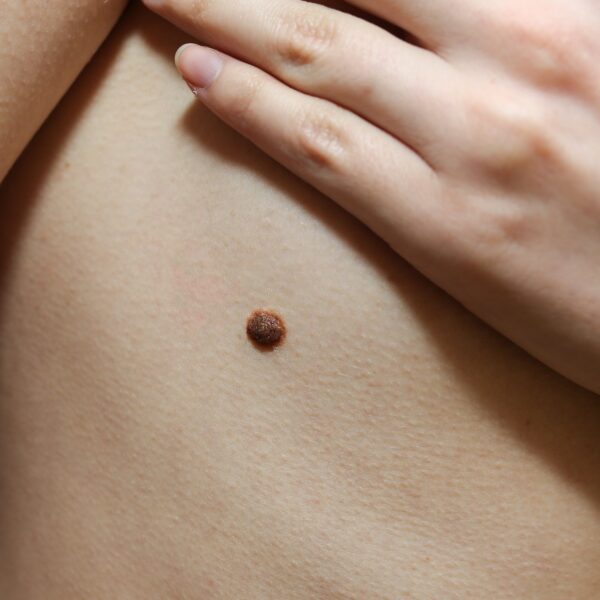
Pigmented, flat or raised

Moles

Most are harmless and stable. Removal for cosmetic reasons is possible on benign moles after clinician assessment. Any mole your clinician would like a dermatologist to see is referred there first.

How we assess and treat

Every lesion is examined by a clinician, with a dermatoscope, before anything is done to it. Your clinician uses that look, and the lesion’s history, to decide whether it is suitable to remove.

Your own knowledge of your skin helps too, and patients frequently know it better than they credit themselves for.

Where there is any doubt, your clinician refers you to a dermatologist, so a lesion that should be examined under a microscope gets exactly that. Everything else is removed in a single appointment.

Location and skin type shape the plan too, and where another method would give you a neater finish, your clinician recommends it.

Clinic brochure and skincare products on a treatment room counter
Your options

Which treatment for your type of lesion?

As a guide, this is how we typically match each type to a treatment. Your own plan is always confirmed at consultation, and where a specialist doctor would serve you best, your clinician points you to the right one.

Type
Recommended treatment
Why
Skin tags
Removed in minutes, with no stitches and a small scab
Warts and verrucas
Viral, so more than one session is usual and recurrence is possible
Milia
A keratin cyst that lifts out cleanly
Moles
Assessment and referral
Every mole is examined with a dermatoscope before anything is removed

Treatments that address it

Plasma Pen Removal A fine probe creates an arc of plasma just above the skin, vaporising the lesion without touching or cutting it. Precise enough for the eyelid. A small crust forms and flakes away Clinician Assessment The reassuring first step. Every lesion is examined before treatment and anything uncertain is referred to a dermatologist rather than removed. Free, and worth booking even if you deci
Skin tags, moles and warts
£180 On consultation
Decision aid

Compared side by side

Plasma pen
Cryotherapy
Surgical excision
Leaving it
Best for
Tags, warts, milia, benign lesions
Warts, some tags
Anything needing testing
Stable, harmless lesions
Cutting involved
No
No
Yes, with stitches
n/a
Can be sent for testing
No
No
Yes
n/a
Sessions
Usually one
Often several
One
n/a
Scar risk
Low
Low
Linear scar
None

Can you treat it at home?

Home care here is mostly about leaving well alone and letting the clinic do the precise work.

Leave cutting, tying off and burning to the clinic. Tying off a skin tag with thread is a common home habit and it rarely removes the tag cleanly. The acid and freezing kits sold for warts work slowly on some warts, and the face and eyelids are always best left to a clinician.

Wart and verruca treatments from a pharmacy containing salicylic acid do work, given months of consistent use, and are a reasonable first attempt on hands and feet. Covering a verruca in a communal pool or changing room reduces spread.

Milia are keratin under intact skin, so exfoliation and extraction pass them by, and a quick plasma treatment clears them where years of scrubbing could not.

Pigmented lesions are always for the clinic: if one needs removing, your clinician looks at it first.

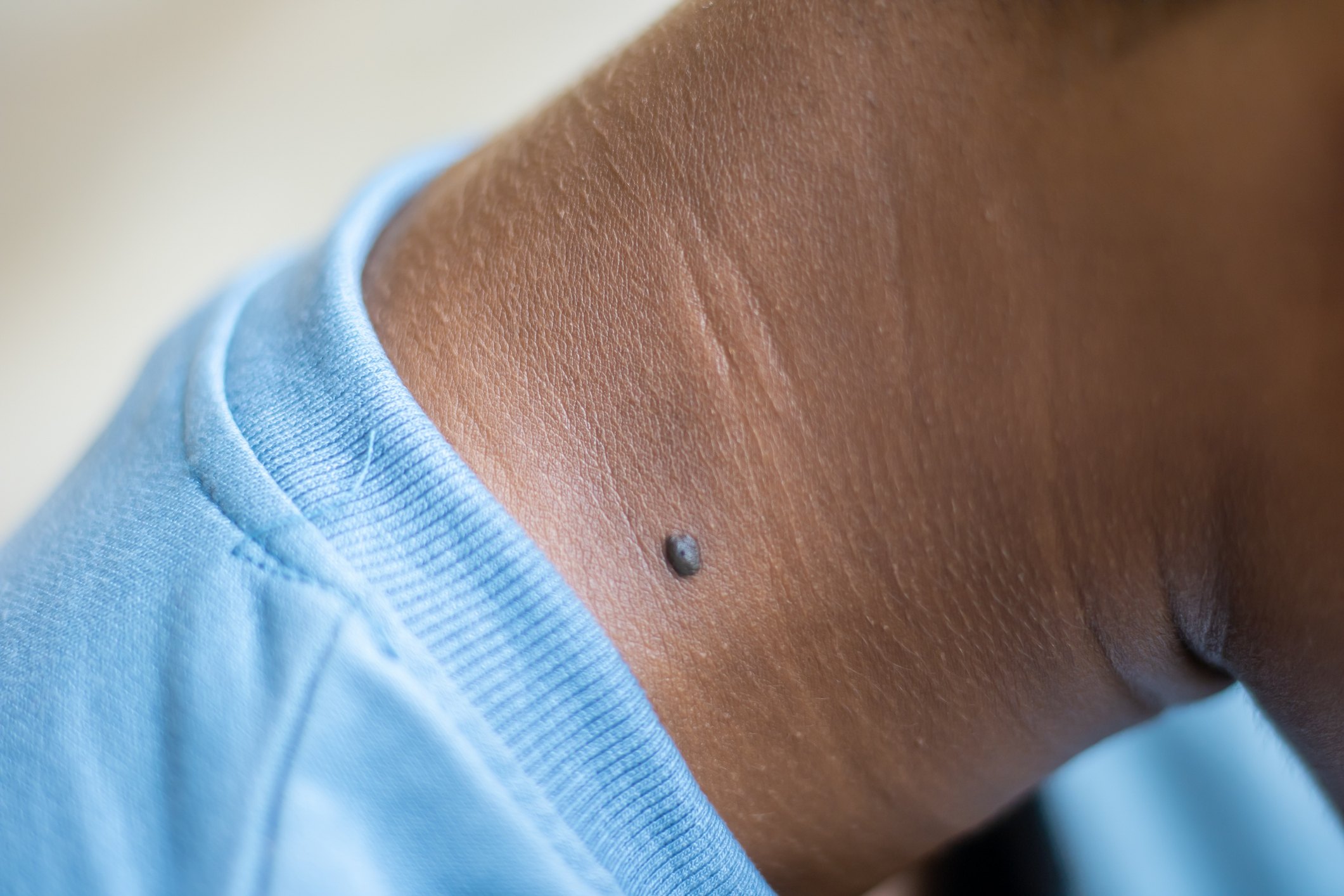
A woman examining her skin closely in the bathroom mirror
Questions, answered

Frequently Asked Questions

£180 for one to three, £220 for four to six, £260 for seven to ten, up to £340 for fourteen to eighteen. Priced by number so several can be dealt with in one appointment.

Topical anaesthetic is applied for around thirty minutes. Each lesion takes seconds and most patients feel heat rather than pain.

Neatly in most cases, because nothing is cut. A small crust flakes away over seven to ten days and the site stays pink for a few weeks. Leaving the crust to fall away on its own gives the cleanest finish.

They rarely return where they were removed. New ones can appear elsewhere, because the tendency to form them is constitutional rather than local.

Benign ones, after clinician assessment. Any mole your clinician would like a dermatologist to see is referred there first, because a vaporised lesion cannot be tested.

Yes, and plasma suits them well. They are viral, so a second session is occasionally needed and recurrence is possible.

Keratin trapped beneath intact skin, quite different from congestion, which is why facials, extraction and exfoliation pass them by. They need opening, and plasma does that precisely enough for the eye area.

A quick plasma treatment in clinic, after your clinician has examined it. Tying one off at home rarely removes it cleanly, and every lesion deserves a proper look before it goes.

Rarely for cosmetic removal, since benign lesions are not treated on cosmetic grounds on the NHS, which is why so many patients come to Wimpole Street for it.

Up to eighteen in the top price band, and more can be split across appointments.

Yes. Darker skin can show a temporary pigment change at the site, and careful sun protection while it heals keeps that to a minimum.

Regents Park Aesthetics

Feel like yourself, on a good day.

A medically led clinic where every plan starts with an assessment and every injectable is placed by a medical professional, so the result looks like you on your best day.

Address19 Wimpole Street, London W1G 8GE
Telephone020 7580 4813