

Milia and Sebaceous Hyperplasia
The tiny white bump under your eye that concealer never quite hides. Milia and sebaceous hyperplasia are two of the most misunderstood things on skin, and once a clinician on Wimpole Street has named yours, a plasma pen usually clears them in a single appointment.
At a glance
- Covers Milia, sebaceous hyperplasia, syringomas
- Removal Plasma pen, usually one session
- Downtime Small crusts, 5 to 7 days
- Available at Wimpole Street, London






What it is and why it happens
Milia are tiny hard white bumps, most often around the eyes and across the cheekbones. Sebaceous hyperplasia produces small soft yellowish bumps with a slight dip in the centre, usually on the forehead and cheeks, and mostly after forty.
Both are often mistaken for spots, so simply learning what they are is a lovely relief.
A milium is keratin trapped beneath intact skin with no opening to the surface. With no opening to work through, it needs the surface opened gently, which is exactly what a plasma pen does.
Sebaceous hyperplasia is an enlarged oil gland rather than a blockage, so the answer is to treat the gland itself, leaving acne products and squeezing aside.
Regents Park Aesthetics removes both with a plasma pen, usually in a single appointment. Just as valuable is finding out what you have, so your skincare goes where it helps.

How we assess and treat
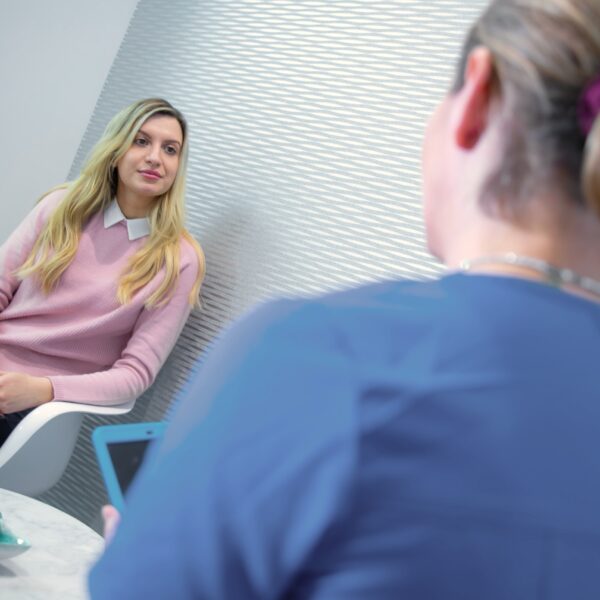
The consultation is mostly diagnostic, and it is a reassuring one. Milia, sebaceous hyperplasia, syringomas and closed comedones look broadly similar to a patient and quite different to someone examining them under magnification.
We check whether there is an opening to the surface, and whether the bump is hard or soft. We note any central dip, and where on the face it sits. Those four things distinguish almost all of them.
Your clinician also confirms every bump is benign before removal. Anything that needs a closer look is not treated on the day, and your clinician talks you through the next step.
That is why every treatment at Wimpole Street begins with an in-person look rather than a photograph.
Which treatment for your type of blemish?
As a guide, this is how we typically match each type to a treatment. Your own plan is always confirmed at consultation, and where a specialist would serve you better, your clinician refers you.
Treatments that address it
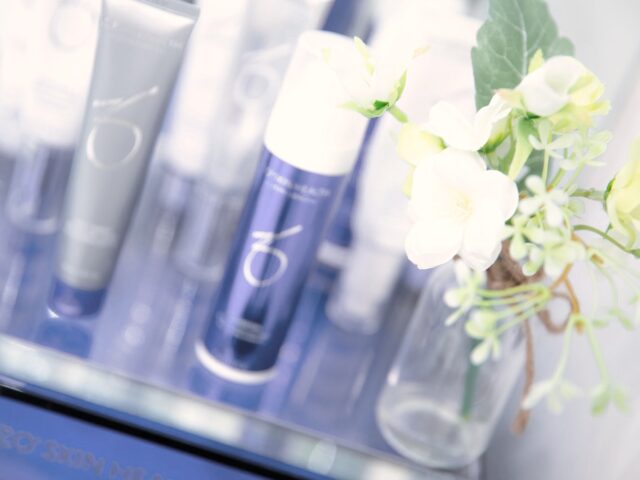
| Plasma Pen Removal A fine probe creates an arc of plasma just above the skin, opening a milium or vaporising a sebaceous gland without cutting. Precise enough for the delicate skin around the eyes. | Chemical Peels For genuine closed comedones and congestion, which respond beautifully to acids and turnover. Also useful in reducing the recurrence of milia. | ZO Skin Health A skincare protocol can help reduce the recurrence of milia by keeping turnover moving. Over a few months it also distinguishes genuine congestion from everything else. | |
|---|---|---|---|
 |
 |
 |
|
| £180 | £120 | On consultation | |
| Explore Plasma Pen Removal | Explore Chemical Peels | Explore ZO Skin Health |
- £180
- £120
- On consultation
Compared side by side
Can you treat it at home?
For milia, removal is a job for the clinic, because the under-eye skin is thin and deserves a precise, sterile approach. Leave them be at home and let a clinician open them cleanly.
What helps prevent them: skincare that keeps turnover moving, and avoiding heavy occlusive eye creams and thick sunscreens on skin that is prone to them. Many people find their milia reduce simply by changing eye cream.
For sebaceous hyperplasia, plasma treats the enlarged gland, and the right skincare may slow new ones appearing. Keep acne products and squeezing for skin that needs them.
For genuine closed comedones, which is the one thing here that does respond, salicylic acid and the right skincare, used consistently over a few months, can clear them.
The useful rule of thumb: if a bump has stayed put for months, the quickest route to clear skin is to have it identified.

Frequently Asked Questions
Keratin trapped beneath intact skin with no opening to the surface. That is why a plasma pen, which opens the surface, is the way to clear them.
By opening the surface. Milia have no opening of their own, so pore-clearing products pass them by, while plasma or a sterile lance releases them in seconds.
In clinic, with a plasma pen or a sterile lance. The under-eye skin is delicate, so a precise, clean approach gives the smoothest result.
An enlarged oil gland producing a small soft yellowish bump with a central dip, usually after forty. It is an enlarged gland rather than a blockage, so it is treated at the gland itself.
Yes, it is benign. Because it can resemble other small pearly bumps, your clinician looks at it in person before removing it, rather than working from a photograph.
With a plasma pen, in a single appointment for most people. A small crust forms and flakes away over five to seven days.
£180 for one to three, £220 for four to six, up to £340 for fourteen to eighteen. Priced by number, so several can be dealt with at once.
Topical anaesthetic is applied for around thirty minutes. Each lesion takes seconds and most patients feel heat rather than pain.
Removed lesions do not usually return. New ones can form if you are prone to them, and lighter eye creams with the right skincare can help reduce recurrence of milia.
Facials and extraction are wonderful for genuine congestion and closed comedones, while milia and sebaceous hyperplasia clear with plasma.
Yes, and plasma is well suited to it because it is precise enough for thin eyelid skin. This is the most common site for milia.
Beautifully, since nothing is cut. A small crust flakes away and the site is pink for a few weeks. Leaving the crust to fall away on its own keeps the finish smooth.
Feel like yourself, on a good day.
A medically led clinic where every plan starts with an assessment and every injectable is placed by a medical professional, so the result looks like you on your best day.