

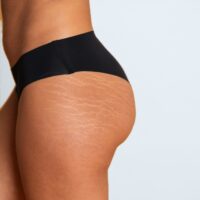
You spot them in the changing-room mirror: lines that arrived during a growth spurt, a change in weight or the months before a baby. Years later, can anything soften their appearance? Microneedling is well worth considering for stretch marks, including older ones, with the lovely aim of a visible softening. The exciting question is which visible feature might soften enough to make treatment worthwhile for you.
Stretch marks are ordinary skin history
They are common and usually harmless. They can change in colour and become less noticeable over time, and the NHS stretch-mark guide explains that clearly.
A procedure is always a choice. Some people barely notice their marks while others would love to explore a change, and both feelings are completely valid. A good appointment helps you understand your options and leaves the decision with you.
Before booking, think about what interests you most. Is it the pale colour against the surrounding skin, the width of certain lines or how the surface looks in side lighting? Treatment can affect those features differently, so a precise wish is really helpful.
Why an older mark deserves its own assessment
Newer stretch marks may look pink, red, purple or darker than the surrounding skin, while older ones often look paler, and their history and appearance shape what treatment might change.
The American Academy of Dermatology explains that stretch marks are a type of scar, which is why products and procedures can work differently at each stage and for each person. A cream that moisturises the area can make skin feel lovely without removing the mark itself.
Older marks are absolutely welcome in a consultation. Pale lines tend to keep a little of their lighter tone, so ask which part of their appearance the proposed treatment is designed to improve.
Where microneedling fits
Microneedling creates controlled punctures that stimulate a repair response involving collagen, and it is used for selected textural concerns, including stretch marks. Gradual change is the aim, building over the course rather than appearing after one appointment.
RPA offers SkinPen treatment for stretch marks in London. Your practitioner will assess the area, your skin history and whether needling suits you before suggesting a course.
Ask what is likely to remain visible even after a good response. It is a surprisingly useful question, because it shows you exactly the improvement you can look forward to.
Stretch marks and loose skin, each with its own plan
Lines can sit within skin that also folds or feels looser than before. Softening the lines is a different goal from removing excess skin or tightening the whole area.
Mention both concerns if they matter to you, so you and your practitioner are talking about the same outcome when you say “treating the stomach”. The same goes for marks on the thighs, hips or upper arms.
Photographs deserve a careful eye too, because posture, lighting and whether the skin is stretched all change how lines look. A meaningful comparison uses consistent conditions and notes any other procedures involved.
Make room for recovery on the body
Body treatment is easy to overlook when planning a busy week. Clothes rub, exercise makes you sweat and even a well-covered area still needs care.
Microneedling can leave temporary redness, tenderness or tightness as the skin settles. General microneedling guidance from the American Academy of Dermatology explains why a careful assessment and good technique make all the difference.
Your clinician runs through your medical history at the consultation. Ask for aftercare specific to the body area, covering clothing, washing, exercise and sun exposure, rather than borrowing a facial routine.
A course with a purpose and a natural stopping point
Ask for an individual quote that names the area being treated, because “one area” is not always obvious when marks spread across several parts of the body. Agree the likely number of visits, their spacing and when your result will be reviewed.
Each review is a conversation about how your skin has responded, so every further session is part of a considered plan you have chosen.
RPA’s medical leadership means you can bring all of these questions to our London clinic in the Harley Street medical district. Ask who will assess and treat you and what experience they have with stretch marks and your skin tone.
Arrange a stretch-mark consultation on Wimpole Street. You can explore a softer appearance with excitement, and a clear view of the change ahead.
Your questions, answered
Moisturiser can make skin feel comfortable and cared for, which is different from removing scar-like lines, so be wary of products promising complete disappearance.
Not necessarily. The age of the marks alone does not decide it; their appearance, location and your skin history are assessed together, and improvement in older marks varies from person to person.
Fat reduction and stretch-mark treatment have different aims. Reducing some localised fat does not mean the lines or any loose skin will change.
Ask about suitability, the size of the treatment area and how you would manage recovery. A wider area is only better value if the aftercare is comfortable to manage.
Bring your medical and skincare history and describe the feature you would like to change. Older photographs can help show how the marks developed, although you never need them to justify your interest.
