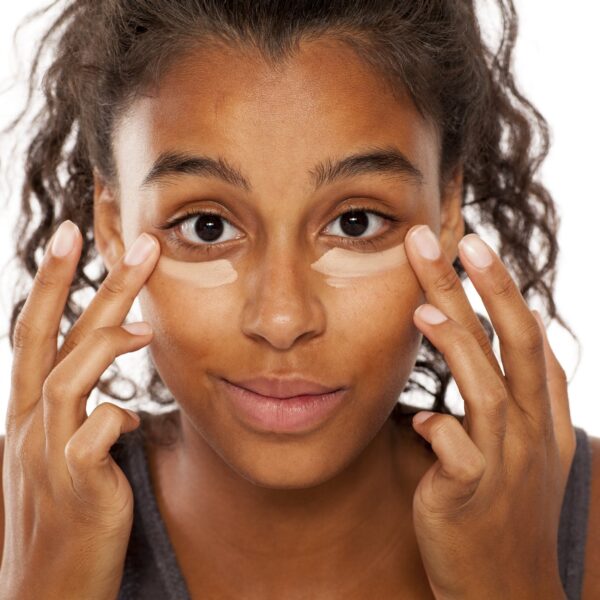



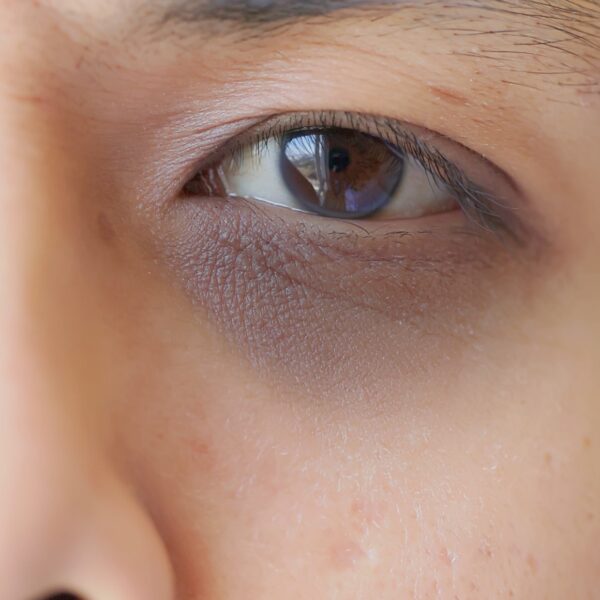

A groove with a shadow, skin smooth
True hollowing
Volume loss creating a depression. This is exactly what tear trough filler is designed for, and a soft, deep placement lifts the shadow.
Explore skin
Care starts with your skin, not a treatment name.
Explore injectables
A medical consultation and an individual approach.
Explore face & body
Explore options for contour, muscle and firmness.
Explore concerns
You do not need to know the treatment. Tell us your concern.

Explore skin
Care starts with your skin, not a treatment name.
Explore injectables
A medical consultation and an individual approach.
Explore face & body
Explore options for contour, muscle and firmness.
Explore concerns
You do not need to know the treatment. Tell us your concern.

Skin concerns · London
You notice it on a video call: a soft shadow under each eye that makes you look more tired than you feel. Tear troughs are the most technically demanding area in aesthetics, and in experienced hands on Wimpole Street a small, careful treatment brightens the whole face.
The tear trough is the groove running from the inner corner of the eye down and outward. When the fat pad that used to fill it shrinks, the groove deepens and casts a shadow.
That shadow is what most people call a dark circle, even though nothing has changed colour. Pull the skin gently outward at the temple: if the darkness fades, it is likely a shadow from hollowing, and your clinician confirms the right approach at consultation.
If the colour stays, it is pigment. If a bulge becomes more prominent when you look up, it is prolapsed fat. Each of these has its own treatment, mapped out below.
This area rewards precision. The skin is the thinnest on the body and drains slowly, so product is placed deep and in small amounts by a prescribing clinician who knows the anatomy closely.
Regents Park Aesthetics treats tear troughs at our Wimpole Street clinic, a short walk from Oxford Circus, by prescribing clinicians only, and every plan is matched to the type of hollow you have.
A groove with a shadow, skin smooth
Volume loss creating a depression. This is exactly what tear trough filler is designed for, and a soft, deep placement lifts the shadow.

Fine crinkling, blue-purple show-through
Skin thin enough to show the vessels beneath. Polynucleotides thicken and strengthen the tissue, so the skin looks brighter and less see-through.

A bulge, worse in the morning
The fat pad pushing forward. Filling the hollow just beneath can blend a mild case, tightening the skin helps further, and surgery gives the definitive result.

Genuine brown or grey colour
Actual pigment rather than shadow, often hereditary and more common in deeper skin. Chemical peels and a good pigment routine lift the colour.
Assessment happens sitting upright in daylight, because overhead lighting creates shadows of its own, so your clinician sees your face exactly as everyone else does.
The stretch test settles most of it. Skin pulled gently outward: shadow disappears means hollowing, colour remaining means pigment. Looking up: a bulge becoming prominent means prolapsed fat.
We check skin thickness with a gentle pinch, because thin crepey skin responds beautifully to polynucleotides.
The type decides the treatment. Thin skin is strengthened with polynucleotides, a fat bulge is tightened or referred for a surgical opinion, and a true hollow is softened with filler, so the result looks like you after a good night of sleep.
As a guide, this is how we typically match each type to a treatment. Your own plan is always confirmed at consultation, and where a type is best treated by a surgeon, your clinician points you to the right door.
| Tear Trough Filler A soft, low-hydrophilic product placed deep and conservatively by a prescribing clinician. Made for genuine hollowing, it lifts the shadow straight away. | Polynucleotides Thickens and repairs thin under-eye skin with no added volume, reducing crepiness and show-through. Three sessions, £320 per area. | Plasma Blepharoplasty Tightens loose lower lid skin with no added product, ideal for crepiness and mild laxity. £650. | |
|---|---|---|---|
 |
 |
 |
|
| £520 | £320 | £650 | |
| Explore Tear Trough Filler | Explore Polynucleotides | Explore Plasma Blepharoplasty |


A shallow tear trough filled to lift the shadow. Clinical image supplied by Allergan Aesthetics. Individual results may vary.


Skin quality rather than volume, which suits thin under-eye skin. Clinical image supplied by Allergan Aesthetics. Individual results may vary.
A good home routine keeps under-eye skin at its best and works alongside clinic treatment. Volume loss is structural, so the hollow itself is treated beneath the surface.
Caffeine-containing products cause brief vasoconstriction and a temporary tightening that lasts hours.
Your clinician can suggest gentle actives that support this delicate skin over months, introduced slowly.
Sleep, salt and alcohol affect the fluid component genuinely and daily. If yours look worse on Monday, that is fluid rather than structure.
Sunscreen matters here and is easy to miss, because the under-eye is thin and exposed.
The groove running from the inner corner of the eye down and outward. It deepens as the fat pad that filled it shrinks, casting a shadow that reads as a dark circle.
For genuine hollowing, where it lifts the shadow beautifully. Thin crepey skin does best with polynucleotides, prolapsed fat with skin tightening or a surgical opinion, and pigmentation with peels.
Stretch the skin gently outward. Shadow disappearing means hollowing. Colour staying means pigment. A bulge becoming prominent when you look up means prolapsed fat.
Tear trough filler £520, polynucleotides £320 per area over three sessions, plasma blepharoplasty £650.
Nine to twelve months. It is a mobile area, so it breaks down faster than filler placed on bone elsewhere.
Tear troughs are the most technically demanding area in aesthetics, which is why Regents Park Aesthetics keeps them with experienced prescribing clinicians, using the right product with a dissolving agent on site.
Yes, within days, because we use hyaluronic acid only. That reversibility matters more here than anywhere.
For thin crepey skin, usually yes, because they strengthen the skin itself with no added volume. For a genuine hollow, filler is the one that lifts the shadow.
If the darkness is shadow from hollowing, yes. Pigment responds to peels and a fat bulge to skin tightening, so your clinician matches the treatment to the cause.
Tear troughs swell a little more than most areas, so your result is at its best at two weeks.
A consultation is the first step towards a plan that feels right for you.
Tell us what you’d like to achieve. Regents Park Aesthetics will be in touch within one working day to arrange your consultation.