

Some mornings it is the little brown patches you notice in the bathroom mirror. Other days, the redness around your nose and cheeks. Can one treatment help both? Lumecca IPL can be considered for selected pigmented and vascular concerns, which makes it a wonderfully versatile option, and the cause of the colour is what shapes the plan. A sun spot, a visible vessel and a persistent inflammatory skin condition are different starting points, even when they appear together.
Red and brown tell different stories
Brown colour can involve melanin, the pigment in skin, while redness can involve visible blood vessels or inflammation. You may have a mixture, which is why a general wish for a more even complexion is worth a closer look.
IPL stands for intense pulsed light. It uses filtered light across a range of wavelengths, rather than the single wavelength associated with a laser, and the intended target and device settings shape the treatment. DermNet’s IPL explanation describes its use for selected pigment and vascular concerns.
That versatility is a real strength, and it is also why each patch of red or brown is assessed on its own merits rather than treated with one setting for everything.
What Lumecca means at RPA London
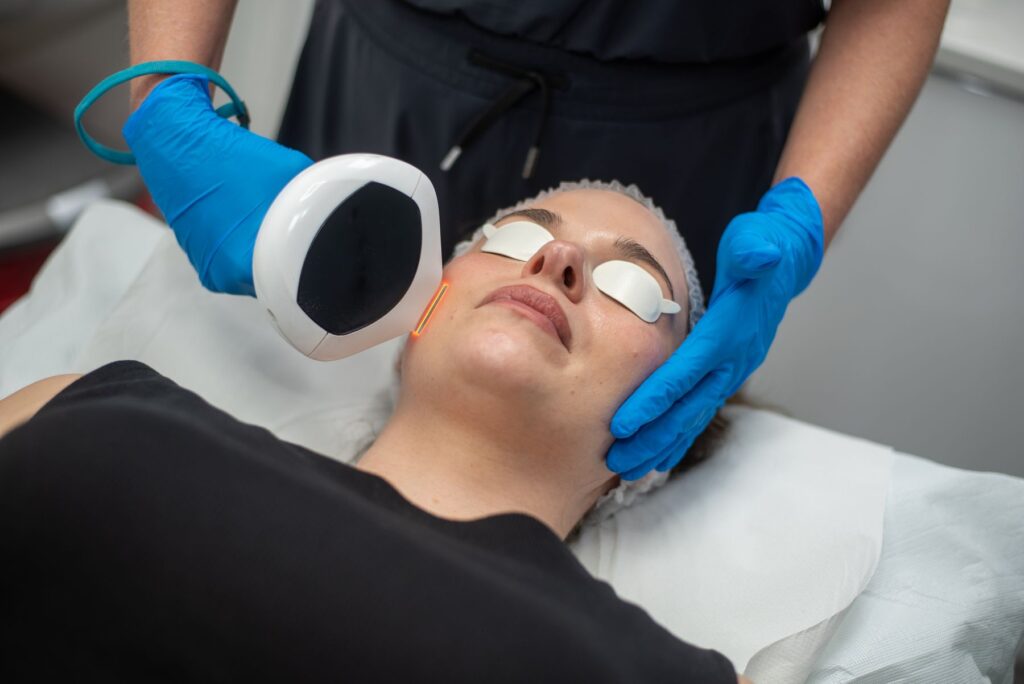
RPA lists Lumecca IPL at our London clinic. Your first appointment establishes the concern and your suitability before deciding on an area or course, so bring photographs if the redness comes and goes, and mention what tends to trigger it.
For a stable, assessed sun spot, the question may be whether light treatment can make the colour less noticeable, while a visible small vessel raises a different question. If several concerns are present, you will know exactly which are included in your plan.
Ask exactly what your plan covers and why. A clear boundary is reassuring, because it shows your plan has been chosen for your skin rather than stretched to cover everything described as pigmentation.
Rosacea is more than a red complexion
Redness can follow several different patterns, and the British Association of Dermatologists’ rosacea information explains why the pattern of symptoms matters.
A light treatment may be discussed for some visible features of rosacea, alongside the triggers, everyday skincare and ongoing management that help the condition as a whole.
If your skin is currently uncomfortable, mention it before treatment. A history of sensitivity is valuable clinical information that helps your practitioner choose the gentlest, most suitable approach.
Brown patches deserve a diagnosis too
Brown patches have several possible causes. Melasma, marks left after inflammation and other skin changes can need different advice, and understanding the cause first protects your result.
The British Association of Dermatologists explains that melasma calls for a tailored approach, with procedures needing careful consideration, so someone else’s fading freckles are not a guide to how your own patches will behave.
Plan your sunshine around the appointment
Tell your practitioner about recent tanning, a planned holiday and previous light treatments, and your clinician runs through your medical history at the consultation. Your natural skin tone and a recent tan are separate considerations, and your operator will assess both.
RPA’s London Lumecca guidance asks patients to avoid sun exposure for three weeks before and after treatment. Confirm the exact instructions for your appointment and check they fit your plans, because sun protection is part of a great result.
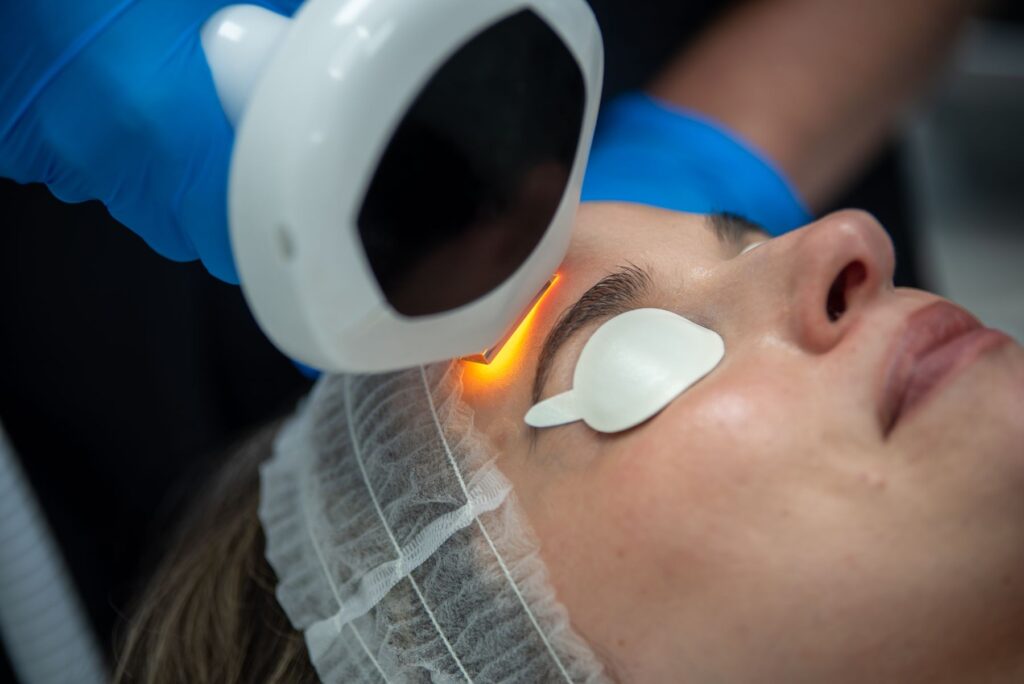
Pigmented areas may look darker for a little while after treatment, and some redness or swelling is part of settling. Eye protection and careful treatment selection are part of every appointment, however quick.
Decide what success would look like
Choose a particular feature to review, rather than relying on a general sense of glow. Consistent photographs are a great help, especially if your everyday lighting changes how noticeable the colour looks.
Ask when your result should be assessed and what would justify another session. You may need a course, and the number of visits depends on your particular redness or pigmentation, so your quote should state the area and plan clearly.
RPA’s medically led team offers a London setting for that assessment, in the Harley Street medical district, where the distinction between pigment, vessels and a skin condition is part of the conversation from the very beginning.
Contact our Wimpole Street clinic with the colour change you would like assessed. The prospect of a more even complexion is most exciting when it comes with a clear plan for getting there.
Your questions, answered
Lumecca IPL is available at our Wimpole Street clinic in London, and your clinician confirms the proposed device at consultation.
They are different. Dermalux LED uses a different type of light delivery, so a relaxing LED appointment is a separate treatment from IPL for pigment or vessels.
HydraFacial is lovely for cleansing and hydration goals, which are different from treating a visible vessel or assessing persistent pigmentation.
Yes, temporary darkening can occur with some pigment treatments. Ask about the expected recovery for your plan, and remember the clinic is always a message away.