
Stretch Marks
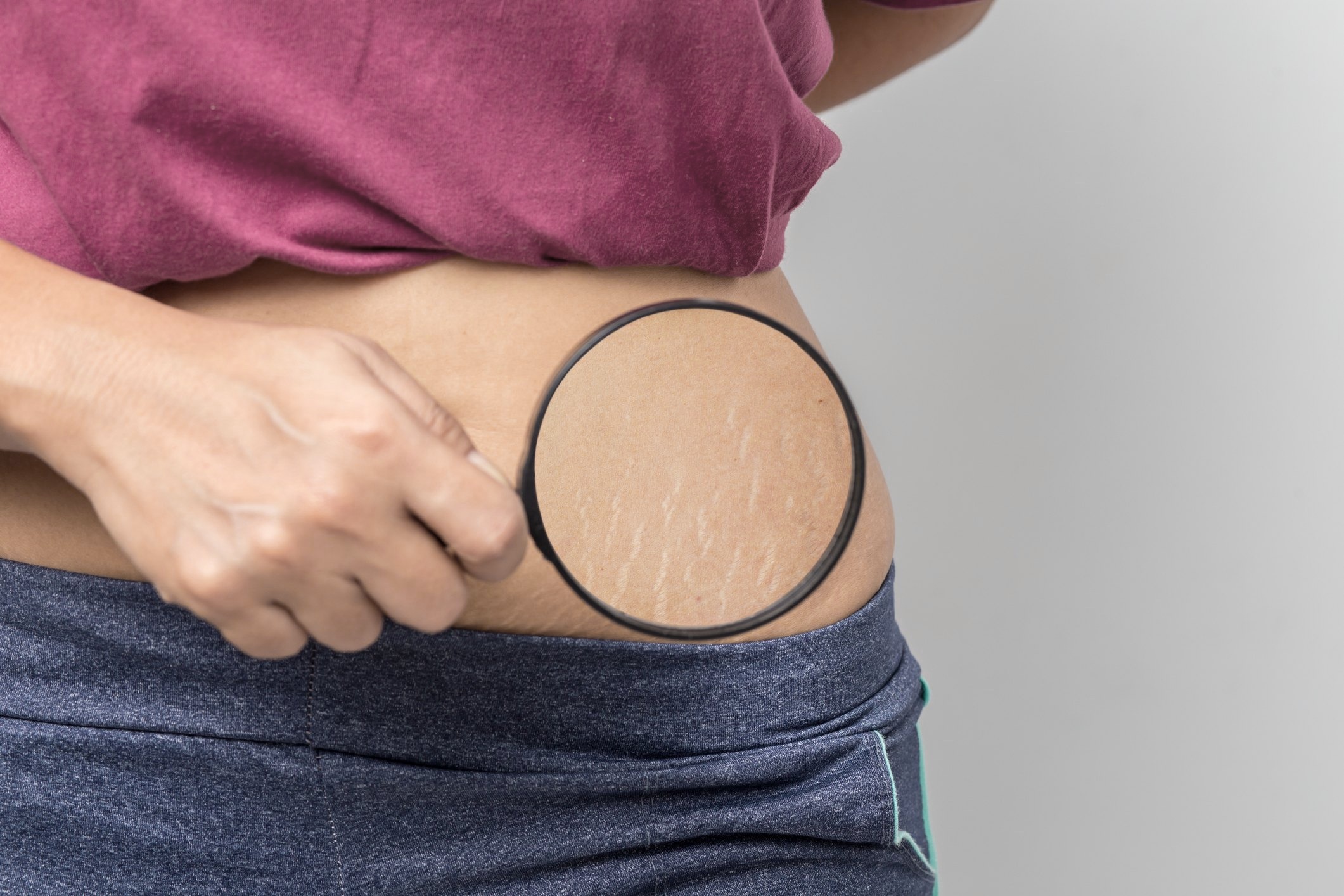
Red stretch marks respond beautifully, and even the silvery ones that have been there for years soften in texture and become less noticeable. At our Berkhamsted clinic the first thing we look at is colour, because colour tells us which treatment will do the most for yours.
At a glance
- Types Striae rubrae (red) and striae albae (white)
- Clinic Regents Park Aesthetics Berkhamsted
- Course 4 to 6 sessions
- Realistic outcome Softer texture, far less visible
- First step Assessment of colour and age





What it is and why it happens
Stretch marks form when skin is asked to stretch faster than it can adapt, so the collagen and elastin in the dermis give way in fine lines. Growth spurts, a baby, rapid weight change and serious training all do it, and your genes decide how prone you are far more than anything you did or did not rub in.
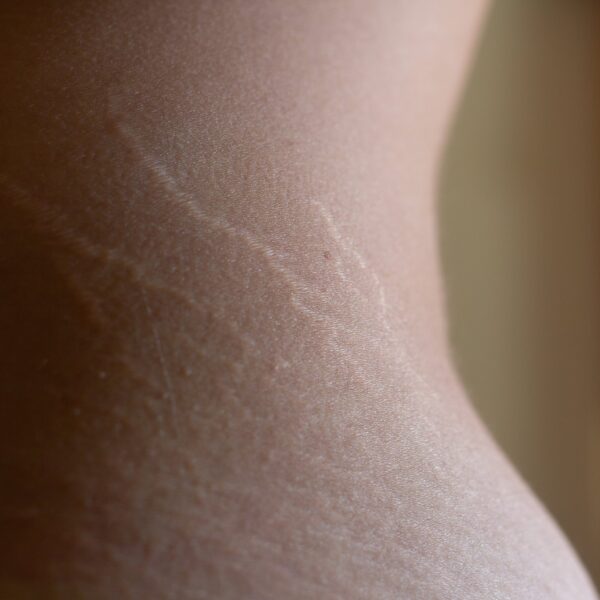
The most useful thing to know is that they change over time, and that treatment does its best work early. Fresh marks are red or purple, which means the tissue still has a blood supply and is actively remodelling, and that is a mark that responds quickly. Mature marks are white or silver, sometimes slightly indented, and what remains is settled scar tissue without pigment cells. These soften in texture and become less noticeable across a course, and the difference in the mirror is one patients tell us about with real pleasure.
At our Berkhamsted clinic we start by telling you which phase yours are in, and then match the treatment to it.
Treatments that address it
| SkinPen Microneedling The mainstay for stretch marks and kind to every skin tone, which matters because stretch marks arrive on all of them. Fine sterile needles create thousands of controlled channels that the skin repairs with fresh collagen, four to six sessions on a body area. | Exion Clear A resurfacing pass of radiofrequency, delivered laser-style, for white mature marks with textural change. Three sessions four to six weeks apart, around a day of redness, and it suits every skin type. | Exion RF Microneedling Adds radiofrequency heat at depth to the microneedling principle, which treats both the marks and the skin laxity that so often arrives with them after weight change or a baby. Three sessions four to five weeks apart, with a short recovery. | |
|---|---|---|---|
 |
 |
 |
|
| £295 | On consultation | £700 | |
| Explore SkinPen Microneedling | Explore Exion Clear | Explore Exion RF Microneedling |
- £295
- On consultation
- £700
Compared side by side
How we assess and treat
Assessment starts with colour, because colour tells us the phase and the phase shapes the plan. Red or purple means active tissue and a quick, generous response. White or silver means mature scar, which rewards a steadier course. We look at texture too. Some mature marks are flat and only a shade paler than the skin around them, while others are gently indented, and indented marks call for a treatment that rebuilds volume in the dermis rather than one that only evens the tone.
Skin tone guides the device. Stretch marks turn up on every skin colour, and SkinPen microneedling suits most of them after a skin check, which is why it is our default rather than our fallback. Where laxity has arrived alongside the marks, after weight change or a baby, Exion radiofrequency microneedling tightens and remodels in the same session, and Exion Clear adds a resurfacing pass for texture on mature marks. Anna maps the areas, sets the depth and quotes the whole course before you commit, so you know the plan and the price from day one.

Can you treat it at home?
Prevention is the strongest card you hold, and even that is only partly in your hands. Keeping skin well moisturised during rapid change may help a little, and gradual rather than sudden weight change helps more. Genes decide most of it, and women who develop stretch marks after a baby overwhelmingly have mothers who did too.
Prescription creams have some evidence on early red marks, and that is a conversation worth having at your consultation. Centella asiatica and hyaluronic acid have modest supporting evidence. Cocoa butter and bio-oil moisturise nicely, and that is really all they do, which is worth knowing before spending heavily on them.
On white, mature marks the surface is intact and the change sits in the dermis, which is exactly why clinic treatments that reach that layer do what creams cannot. In the meantime self-tan is the cleverest cosmetic trick, because it colours the surrounding skin and not the marks. Test a small patch first, as a few people find it draws the eye rather than softening it.
Related concerns
Meet our team of experts
Anna Stenekova and the skin therapists assess and treat stretch marks at our Berkhamsted clinic, with Kay Greveson or Dr Grace Adamson on hand for anything injectable.
Frequently Asked Questions
A great deal, particularly while they are still red. Across a course expect a real softening of texture and marks that are far less visible, which for most patients is the difference between hiding an area and forgetting about it.
Considerably. Red marks still have a blood supply and remodelling tissue, so treatment works with a live process. White marks are settled scar tissue and improve more steadily across the course.
SkinPen microneedling is the mainstay and is suitable for most skin tones after a skin check. Exion Clear adds a resurfacing pass for white, textured marks, and Exion RF microneedling treats the marks and the skin laxity that often comes with them. All three are at our Berkhamsted clinic, and Anna matches the plan to your marks.
Four to six for SkinPen microneedling, three for Exion Clear and three for Exion RF microneedling. Body areas generally need more sessions than the face because the skin is thicker, and the result builds with each one.
SkinPen microneedling is £295 for a body area at our Berkhamsted clinic and Exion RF microneedling body treatment is from £700. Exion Clear is quoted at consultation, and we quote the whole course before you start.
Prescription creams have some evidence on early red marks, and that is worth raising at your consultation. Cocoa butter and bio-oil moisturise, with little evidence for preventing or treating marks, and on white mature marks the change sits too deep for anything topical to reach.
There is no rush. Many marks that arrive with a baby fade considerably on their own in the first year, so let life settle, and your clinician will talk through the right moment at your consultation.
Red marks fade toward white over months to a couple of years, which is a change of colour rather than a change of texture. White marks stay as they are, which is where treatment comes in.
Yes. SkinPen microneedling is our default because it is suitable for most skin tones after a skin check, and Exion suits most skin types too. Your clinician covers suitability, timing and aftercare at your consultation, and the team is a phone call away afterwards.
For white marks, genuinely yes, because it colours the surrounding skin and not the marks. A few people find it draws the eye instead, so test a small area first.
Of course. Stretch marks from growth spurts and from training are common in men and are treated in exactly the same way.
Keep the area out of the sun between sessions, moisturise once the skin has settled, and keep your weight steady through the course so the new collagen matures on a stable canvas.
Anna Stenekova and the skin therapists at our Berkhamsted clinic, after a consultation that settles the phase of your marks and the device that suits them.
113 High Street, Berkhamsted HP4 2DJ, a short walk from the station and a short drive from Tring, Hemel Hempstead, Chesham and Amersham.